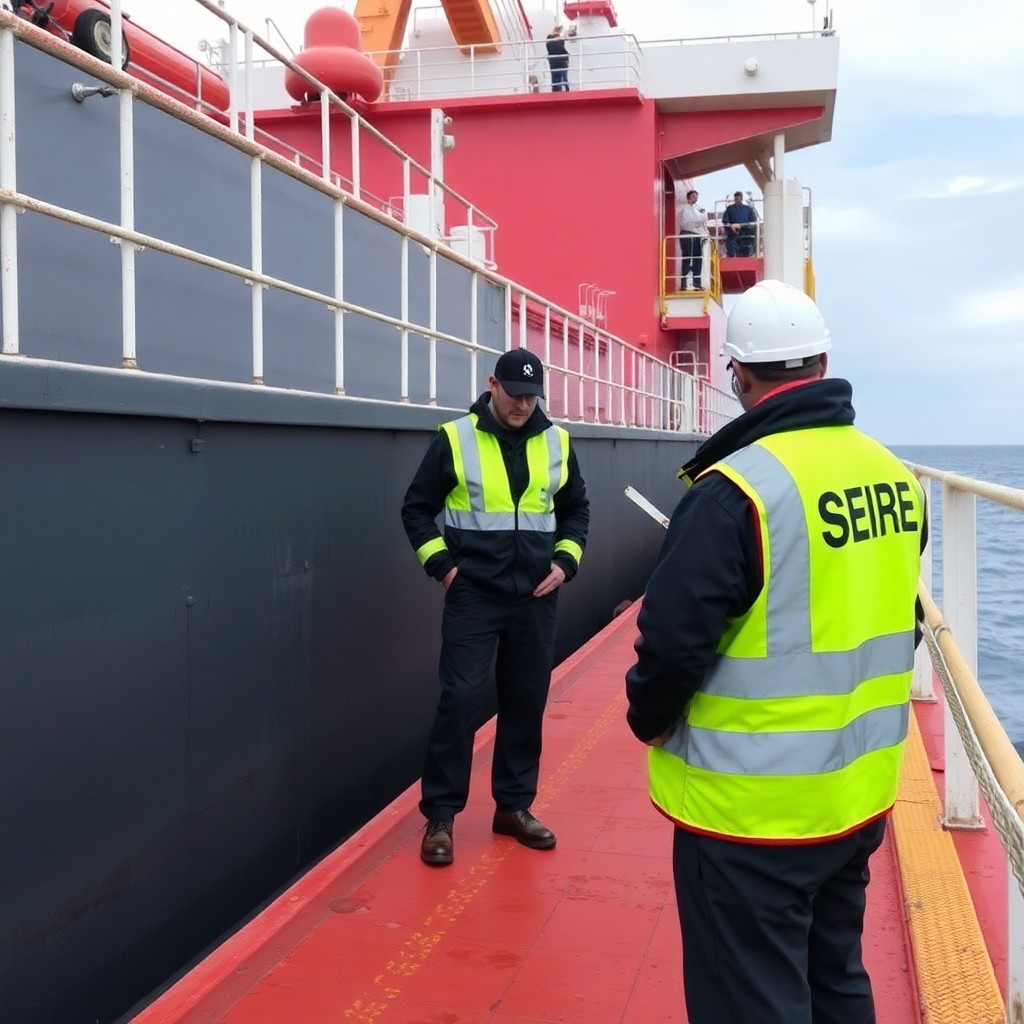
In an era where maritime safety is paramount, the introduction of SIRE 2.0 marks a significant leap forward in how shipping operations can be evaluated and improved. Picture a crew onboard a vessel navigating turbulent waters—suddenly, the safety protocols become as critical as the ship’s navigation charts. That's the essence of SIRE 2.0, which not only enhances inspection procedures but also acknowledges the role of human dynamics in these high-stakes environments.
Understanding SIRE 2.0: A New Era for Ship Inspections
The maritime industry is on the brink of a significant transformation with the introduction of SIRE 2.0. This advanced version of the Ship Inspection Report Programme has been developed by the Oil Companies International Marine Forum (OCIMF) since 1993. But what exactly does this evolution entail?
1. Overview of SIRE 2.0
SIRE 2.0 is not just an upgrade; it represents a paradigm shift in how maritime safety is approached. The primary aim is to bolster safety across the maritime sector through a more inclusive, risk-based inspection system. This new framework integrates modern technologies and improves inspection criteria, ensuring that inspections are more relevant to real-world conditions.
Evolution since 1993: SIRE has been a cornerstone in maritime safety for decades. The introduction of SIRE 2.0 marks a significant leap forward.
Focus on Human Factors: The program emphasizes the importance of crew performance and the environment in which they operate.
2. Incorporation of Modern Technology
One of the standout features of SIRE 2.0 is the incorporation of modern technology into inspections. Digital tools can streamline processes, making inspections more efficient and less intrusive. Imagine using a smartphone app to report issues in real-time, rather than waiting for a paper report to be filed. This shift not only enhances the inspection process but also promotes a culture of accountability.
Modern technologies could include:
Data collection tools: These can gather information during inspections, providing real-time insights.
Digital reporting systems: Allowing for quicker communication between inspectors and crews.
3. Holistic Integration with Other Programs
SIRE 2.0 also aims for a holistic integration with other OCIMF programs like BIRE and OVID. This is crucial for creating a unified approach to safety across various maritime operations. By aligning these programs, SIRE 2.0 reflects a commitment to safety that transcends individual inspections.
The integration allows for:
Shared data: Enhancing the ability to identify trends and areas for improvement.
Unified training: Ensuring that crews are well-prepared across different platforms.
4. Planned Rollout Timeline: Q3 2024
The anticipated rollout of SIRE 2.0 is set for Q3 2024. This timeline gives maritime operators and stakeholders ample opportunity to prepare for the changes ahead. It’s not just about implementing new systems; it’s about fostering a culture of safety and continuous improvement.
As the industry gears up for this transition, the emphasis will be on understanding how these changes affect daily operations. The goal is to ensure that crews are not only compliant but also engaged in their roles.
5. The Importance of Continuous Improvement
At the heart of SIRE 2.0 is the idea of continuous improvement. The program encourages operators to respond to inspection observations actively. This iterative process promotes a culture where feedback is valued and acted upon. As an industry expert aptly put it,
“SIRE 2.0 represents a paradigm shift in how we approach maritime safety.”
In summary, SIRE 2.0 is more than just a new set of guidelines; it’s a comprehensive approach to enhancing safety and efficiency in maritime operations. By leveraging modern technologies and emphasizing human factors, it aims to create a safer and more collaborative maritime environment. The upcoming rollout presents an exciting opportunity for the industry to align with these improved safety protocols.
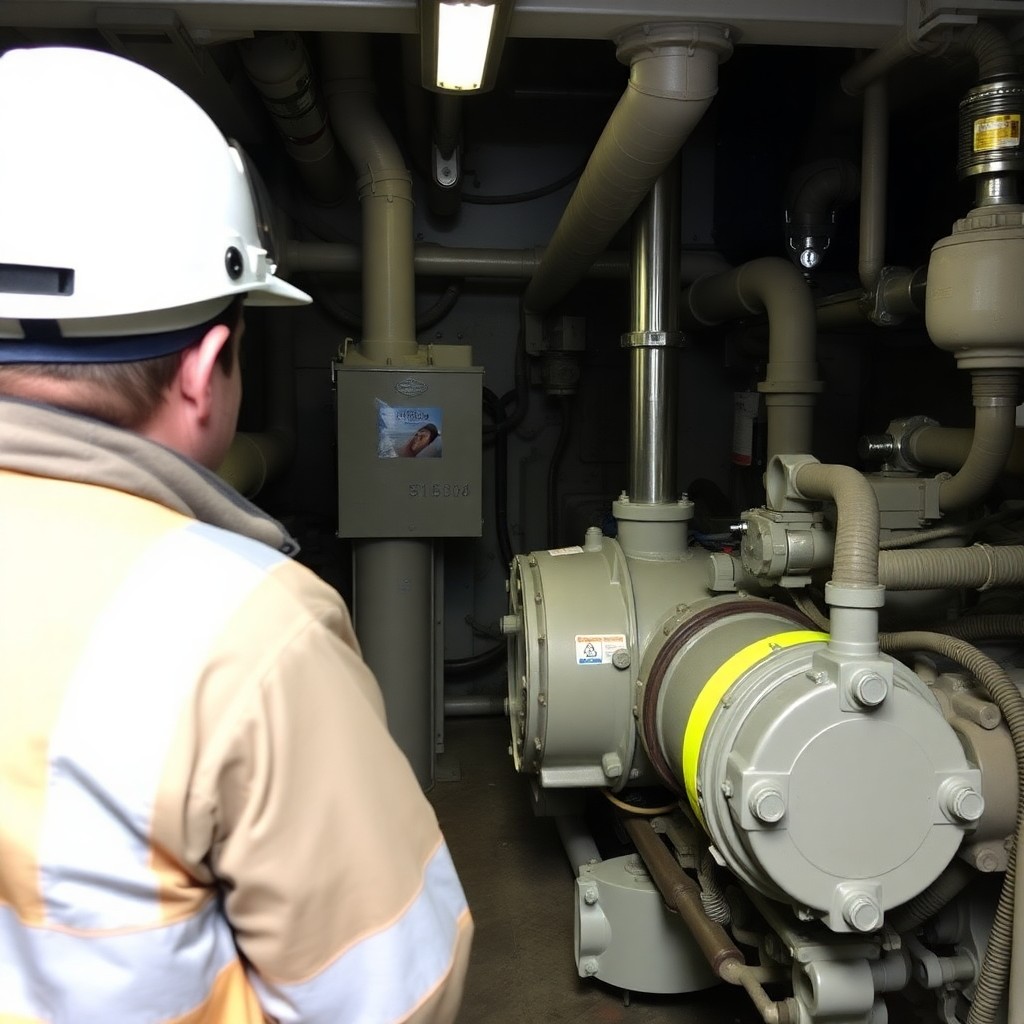
The Human Factor: Key to Safer Operations
In the maritime industry, the crew plays a crucial role in ensuring safety and operational efficiency. They are not just individuals carrying out tasks; they are the backbone of every successful operation. Without their expertise and diligence, the risks associated with maritime activities would increase significantly. But what exactly makes the crew so vital?
The Role of Crew in Safety and Operational Efficiency
First and foremost, the crew is responsible for the day-to-day operations of a vessel. Their actions can directly impact safety outcomes. For instance, a well-trained crew can identify potential hazards before they escalate into serious incidents. Conversely, a fatigued or poorly trained crew may overlook critical safety protocols, leading to dire consequences.
Expertise: Crew members bring specialized knowledge and skills to their tasks.
Situational Awareness: They are trained to be vigilant, noticing changes in their environment that could signal danger.
Decision-Making: Quick and effective decision-making can be the difference between a safe operation and a disaster.
As an industry expert aptly put it,
“Recognizing the crew as fundamental to safe operations is essential for the future of maritime safety.”
Identification of Performance Influencing Factors (PIFs)
To enhance safety, it is vital to identify Performance Influencing Factors (PIFs). These are elements that can either bolster or hinder a crew's performance. They include:
Environmental Conditions: Weather, sea state, and onboard conditions can all affect crew performance.
Tools and Equipment: Access to the right tools and technology is crucial for efficient task execution.
Morale: A motivated crew is more likely to perform well and adhere to safety protocols.
Understanding these factors allows operators to create strategies that support crew performance. It’s not just about checking boxes; it’s about fostering an environment where crew members can thrive.
How Crew Fatigue and Training Affect Task Execution
Fatigue is a silent enemy in the maritime industry. It can lead to errors in judgment and execution. Crew members who are overworked or not given adequate rest are more prone to mistakes. This is why training is equally important. Proper training ensures that crew members are well-prepared to handle their responsibilities, even in challenging situations.
Fatigue Management: Implementing schedules that allow for adequate rest can significantly reduce fatigue-related incidents.
Continuous Training: Regular training sessions keep skills sharp and knowledge up-to-date.
By addressing both fatigue and training, operators can enhance the overall effectiveness of their crews.
Creating Supportive Working Environments for Crew Members
Finally, creating a supportive working environment is essential. A culture of psychological safety allows crew members to report issues without fear of repercussions. This trust is pivotal in enhancing safety. When crew members feel secure, they are more likely to communicate openly about challenges they face.
Open Communication: Encouraging dialogue between crew and management fosters a collaborative atmosphere.
Feedback Mechanisms: Implementing systems for feedback can help identify areas for improvement.
As SIRE 2.0 emphasizes, enhancing crew-related aspects is not just a box to check; it’s a commitment to continuous improvement. By ensuring that the working environment supports efficient task performance, the maritime industry can move towards a safer future.
With the rollout of SIRE 2.0 expected in the third quarter of 2024, there is an opportunity for the maritime sector to align its operations with improved safety protocols. This initiative aims to dissolve traditional barriers between crew and management, fostering a culture of collaboration, learning, and adaptation that is crucial for a safe maritime industry.

Preparing for SIRE 2.0 Inspections: Insights for Vessel Operators
As the maritime industry gears up for the implementation of SIRE 2.0, vessel operators must prioritize their preparation for upcoming inspections. This new version of the Ship Inspection Report Programme emphasizes human factors, aiming to enhance safety and efficiency across operations. Understanding these factors is crucial for operators to navigate the evolving landscape of maritime inspections.
Understanding and Preparing for Human Factors Observations
Human factors play a pivotal role in ship operations. They encompass various elements that can influence how effectively crew members perform their tasks. For instance, Performance Influencing Factors (PIFs) include environmental conditions, access to necessary tools, crew fatigue, and the adequacy of training. Operators should familiarize themselves with these factors to ensure they are prepared for inspections.
What happens if crew fatigue affects performance?
How can environmental conditions hinder operations?
By understanding these observations, operators can create a supportive working environment that promotes efficiency. Inspectors will focus on how these human factors impact overall performance. Thus, being proactive in addressing these issues can lead to better inspection outcomes.
Adopting Practices for Effective Task Structuring
Effective task structuring is another critical aspect of preparing for SIRE 2.0 inspections. Operators should adopt practices that enable crew members to perform their duties efficiently. This can be achieved through:
Clear delineation of tasks and responsibilities.
Providing adequate resources and training for crew members.
Regularly reviewing and adjusting task structures based on feedback.
When tasks are clearly defined, crew members can focus on their responsibilities without confusion. It also helps to minimize errors that may arise from ambiguous instructions. The goal is to create a seamless workflow that enhances operational safety.
Setting Clear Expectations for Inspection Processes
Setting clear expectations for the inspection process is essential. Operators should communicate openly with their crews about what to expect during the inspection. This includes:
Understanding the inspection criteria.
Knowing the focus areas for inspectors.
Preparing for potential questions and discussions.
By establishing these expectations, operators can alleviate anxiety among crew members. They will feel more prepared and confident during the inspection. Clear communication fosters an environment where everyone is aligned and ready to showcase their efforts.
Addressing Feedback from Inspectors Constructively
Feedback from inspectors should be viewed as an opportunity for growth rather than criticism. Operators must cultivate a mindset that embraces constructive feedback. Here are some strategies to consider:
Encourage open discussions about inspection findings.
Develop an action plan to address any identified issues.
Foster a culture of continuous improvement among crew members.
When crew members feel safe to discuss challenges without fear of repercussions, it enhances communication. This trust is vital for promoting a culture of safety and learning. The CLASS approach—Choose to learn, Learn from those who do the work, Address PIFs, Systematically apply across fleet, and Share feedback with crew—can serve as a guiding principle in this process.
Collaborative Efforts Between Crew Members and Management
Collaboration between crew members and management is crucial during this preparation phase. It ensures that everyone is on the same page regarding operational standards and expectations. Operators should facilitate regular meetings to discuss inspection readiness and share insights. This collaborative approach not only strengthens team dynamics but also enhances overall safety.
In summary, as vessel operators prepare for SIRE 2.0 inspections, understanding human factors, structuring tasks effectively, setting clear expectations, and addressing feedback constructively are key. By focusing on these areas, operators can foster a culture of safety and efficiency that aligns with the goals of SIRE 2.0.
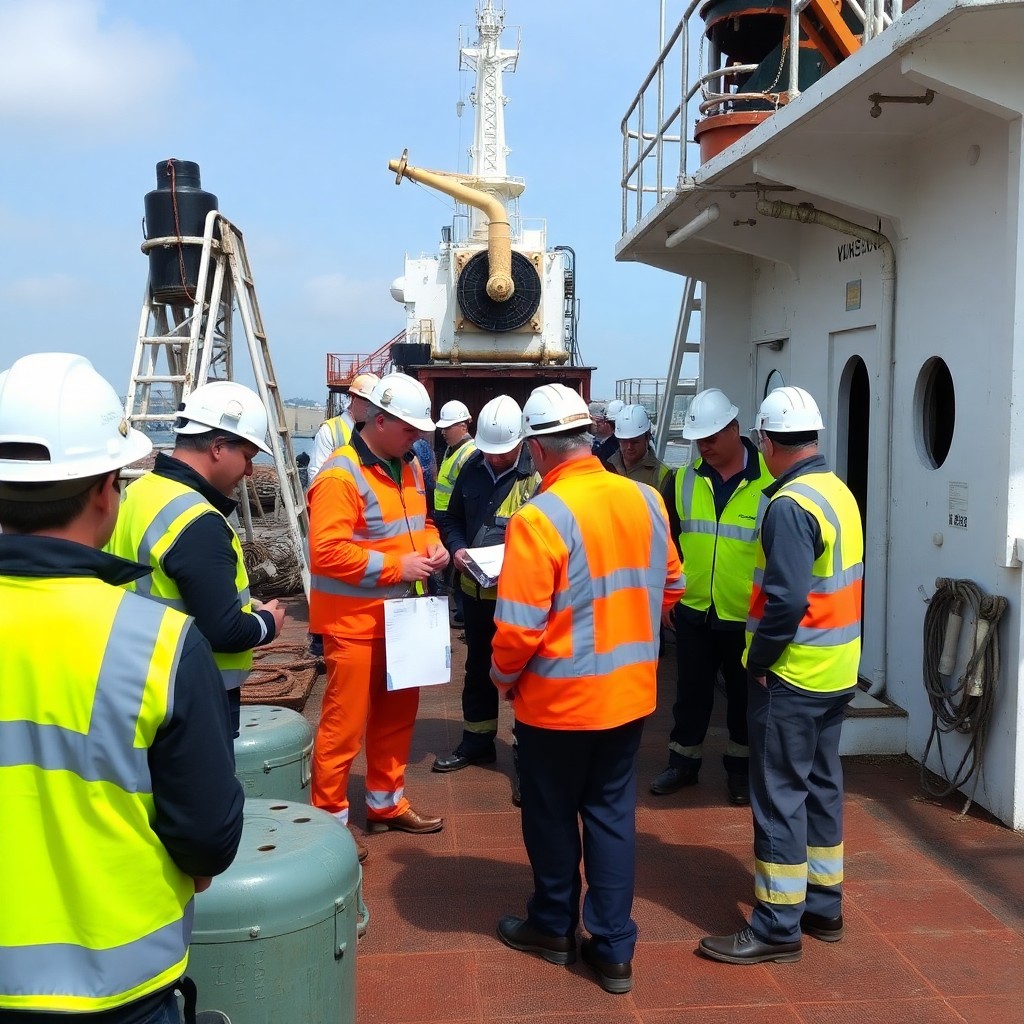
Building a Safety Culture: The CLASS Approach
Introduction to CLASS
The CLASS approach is a structured framework designed to improve safety and communication within maritime operations. It stands for:
Choose - Make deliberate choices about safety practices.
Learn - Gain insights from those who perform the work.
Address - Tackle performance influencing factors (PIFs) head-on.
Systematically Apply - Implement improvements across the fleet.
Share - Disseminate feedback and lessons learned.
This approach is not just a checklist; it’s a dynamic process that encourages continuous improvement. By following CLASS, organizations can create a robust safety culture that empowers crews to be proactive about safety.
How Trust Enhances Communication
Trust is the backbone of effective communication in maritime operations. When crew members feel trusted, they are more likely to report issues without fear of repercussions. This open dialogue is essential for identifying potential hazards before they escalate into serious problems.
As one industry expert stated,
"Creating trust within teams leads to enhanced safety and operational efficiency."
This quote highlights how trust can transform the workplace. When crew members believe their voices matter, they become active participants in safety practices. They share insights, report near misses, and contribute to a culture of safety.
Creating a Blame-Free Environment
Inspections can often create tension among crew members. However, a blame-free environment is crucial for fostering a culture of safety. When inspectors focus on systemic issues rather than individual mistakes, it encourages crews to speak up about challenges they face.
Imagine a scenario where a crew member makes a mistake during an inspection. If the focus is solely on blame, that crew member may hesitate to report future issues. But if the emphasis is on understanding the systemic factors at play, the crew member feels safe to share insights. This shift in perspective can lead to significant improvements in safety protocols.
Fostering an Organizational Learning Culture
To build a safety culture, organizations must foster an environment of learning. This means that every inspection, every report, and every incident becomes an opportunity to learn and grow. The CLASS approach emphasizes this by encouraging crews to learn from one another.
By systematically applying lessons learned across the fleet, organizations can create a shared knowledge base. This not only enhances safety but also boosts morale. When crew members see that their feedback leads to real changes, they are more likely to engage in the safety process.
Additionally, SIRE 2.0 emphasizes the importance of human factors in inspections. It recognizes that crew members are at the heart of safe operations. By understanding how PIFs affect performance, organizations can make informed decisions that support their crews.
Conclusion
In summary, the CLASS approach is a vital tool for enhancing safety culture in maritime operations. By choosing to learn, addressing PIFs, applying knowledge systematically, and sharing insights, organizations can create a safer, more efficient work environment. Trust plays a crucial role in this process, fostering open communication and a blame-free atmosphere that encourages learning and growth.
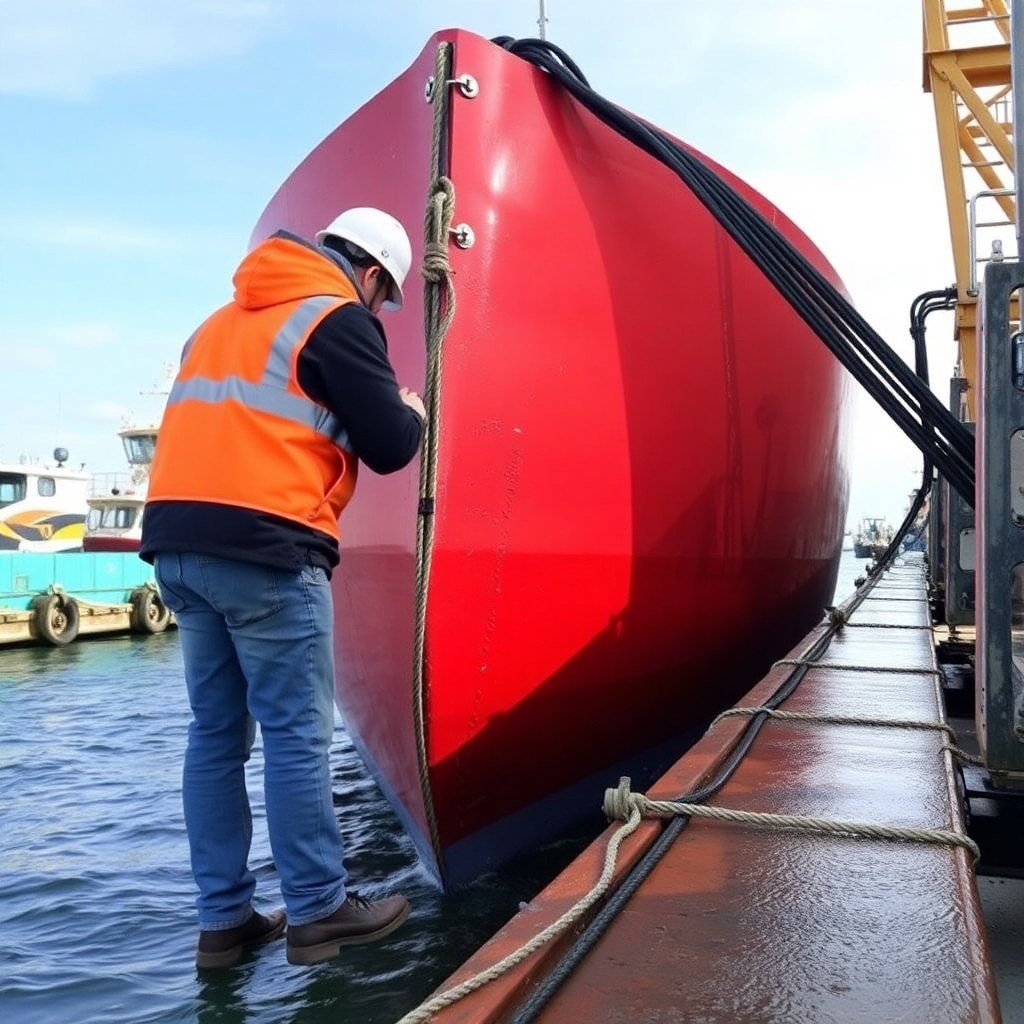
Looking Ahead: SIRE 2.0 and its Industry Implications
The maritime industry is on the verge of a significant transformation with the upcoming rollout of SIRE 2.0. This advanced version of the Ship Inspection Report Programme, managed by the Oil Companies International Marine Forum (OCIMF), aims to enhance safety across the sector. But what does this mean for operators, crew members, and overall maritime operations? Let's dive into the key benefits and implications of SIRE 2.0.
Key Benefits of SIRE 2.0
One of the most notable advantages of SIRE 2.0 is its risk-based inspection system. This system is designed to be more inclusive and integrates modern technologies and improved inspection criteria. It is not just about following procedures; it’s about understanding the why behind them.
Enhanced Safety: The program emphasizes human factors in operations, recognizing that crew members play a vital role in maintaining safety.
Continuous Improvement: SIRE 2.0 promotes a culture where operators can learn from inspection observations and apply corrective actions.
Broader Scope: It will encompass other OCIMF programs like BIRE and OVID, creating a more comprehensive safety framework.
Anticipating Changes in Inspection Processes
With SIRE 2.0, the inspection process is expected to undergo significant changes. Instead of merely checking boxes, inspectors will focus on actual work conditions and how they impact safety. This shift means that:
Inspectors will engage directly with crew members to understand their experiences and challenges.
There will be a focus on Performance Influencing Factors (PIFs) such as crew fatigue, environmental conditions, and access to necessary tools.
Inspections will prioritize a systemic approach, looking at the broader context rather than placing blame on individuals.
Encouraging Alignment with Enhanced Safety Protocols
As SIRE 2.0 rolls out, it presents an opportunity for OCIMF members and partners to align their operations with enhanced safety protocols. This alignment is crucial. Why? Because it fosters a proactive safety culture. With trust as a core component, crew members can report challenges without fearing repercussions. This trust is essential for:
Open communication about operational difficulties.
Creating an environment where learning from mistakes is encouraged.
Fostering collaboration between crew and management.
Impact of Communication and Leadership on Future Safety Standards
Leadership plays a pivotal role in shaping safety standards. SIRE 2.0 emphasizes the importance of effective communication. Leaders must create channels where crew members feel comfortable sharing their insights. The CLASS approach—Choose to learn, Learn from those who do the work, Address PIFs, Systematically apply across fleet, and Share feedback with crew—is a guiding principle that reinforces this idea. It encourages:
Continuous learning and adaptation.
Systematic application of lessons learned across the fleet.
Regular feedback loops between crew and management.
In conclusion, the anticipated implementation of SIRE 2.0 marks a pivotal moment for the maritime industry. By focusing on human factors, risk-based inspections, and fostering a culture of trust and communication, the program aims to redefine safety benchmarks. As operators and crew members align with these enhanced protocols, they contribute to a safer maritime environment. The journey towards improved safety standards is not just about compliance; it’s about collaboration, learning, and ultimately, safeguarding lives at sea.
TL;DR: SIRE 2.0 enhances maritime safety through a human-centered inspection approach, emphasizing crew performance, risk-based strategies, and the importance of fostering an open safety culture, with implementation set for Q3 2024.
Comments
Post a Comment