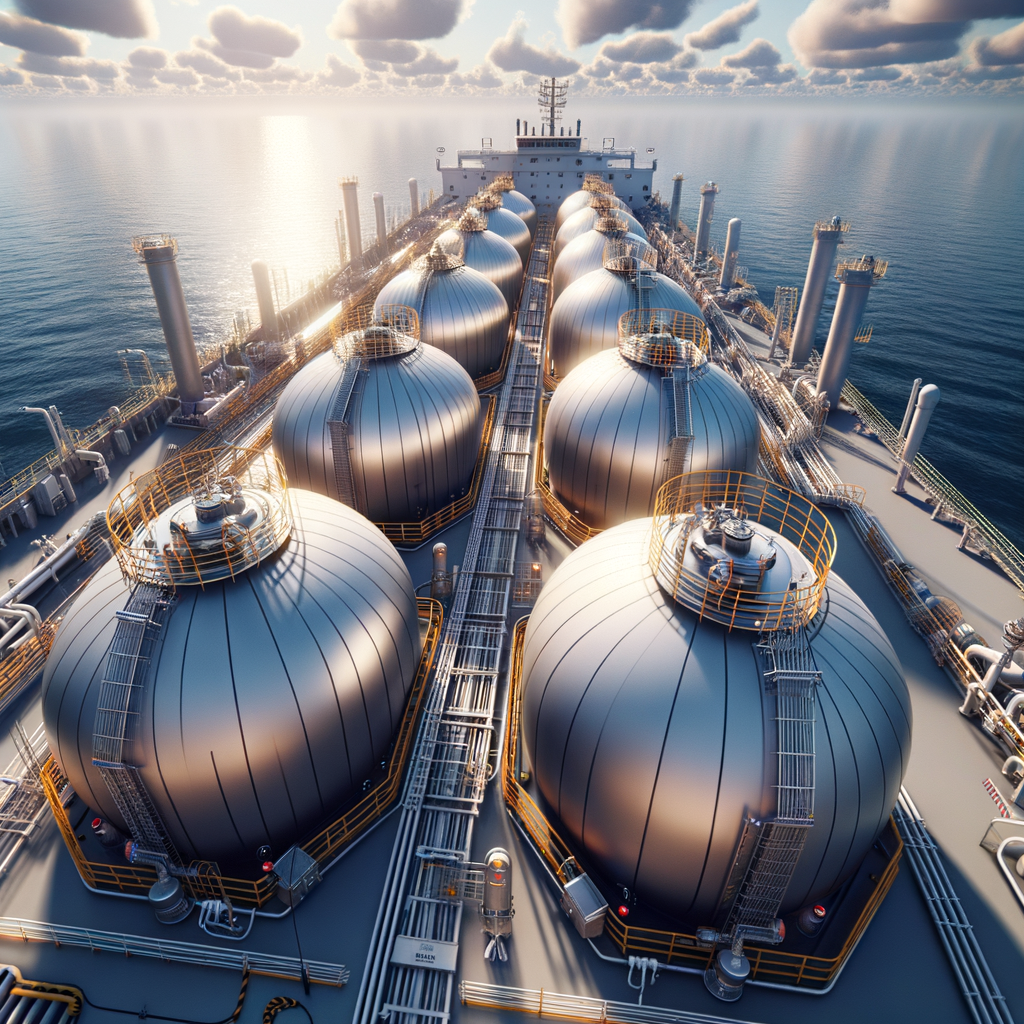
Picture this: A cold, crisp night. You’re standing outside a vast LNG storage facility, a seemingly ordinary sight. But what you don’t see lurking inside those massive tanks could spell disaster. The stakes are high in the world of Liquefied Natural Gas (LNG), where a tiny slip can lead to catastrophic outcomes. As someone fascinated by tech and safety, I’d like to share how the groundbreaking TAMI (Thermal Assessment of Membrane Integrity) technology is transforming LNG tank monitoring, making the world a bit safer for everyone. Buckle up as we dive into this intricate and fascinating world.
The Importance of LNG Tank Safety: Setting the Stage
Understanding LNG and the Risks Involved
Liquefied Natural Gas (LNG) is natural gas that has been cooled to a frigid temperature of -162 degrees Celsius. This process transforms it into a liquid, making it easier to store and transport. However, this extreme cold also poses significant risks. LNG is flammable and can cause catastrophic incidents if not handled properly. So, what happens if a tank fails? The consequences can be dire.
Historical Context: Notable Incidents Due to Tank Failures
Looking back, two incidents stand out. In 2004, a leak was detected at a U.S. terminal during loading operations. Thanks to early detection, a disaster was averted. Fast forward to 2010, a small spill occurred, leading to repair costs exceeding $100,000. These incidents highlight the critical need for vigilance and safety measures in LNG operations.
Financial, Environmental, and Human Implications of Leaks
Leaks can have far-reaching implications. Financially, they can lead to hefty repair bills and loss of revenue. Environmentally, LNG leaks can contaminate soil and water, affecting ecosystems and human health. Most importantly, the human cost can be devastating. As one expert noted,
"A leak in one of these tanks is something you really wanna avoid."
Current Industry Standards for LNG Safety
The LNG industry has established stringent safety standards to mitigate risks. These standards encompass everything from tank construction to operational procedures. Inspections are a critical component of these standards. They ensure that tanks are functioning correctly and that any potential issues are identified before they escalate.
The Role of Inspections in Maintaining Integrity
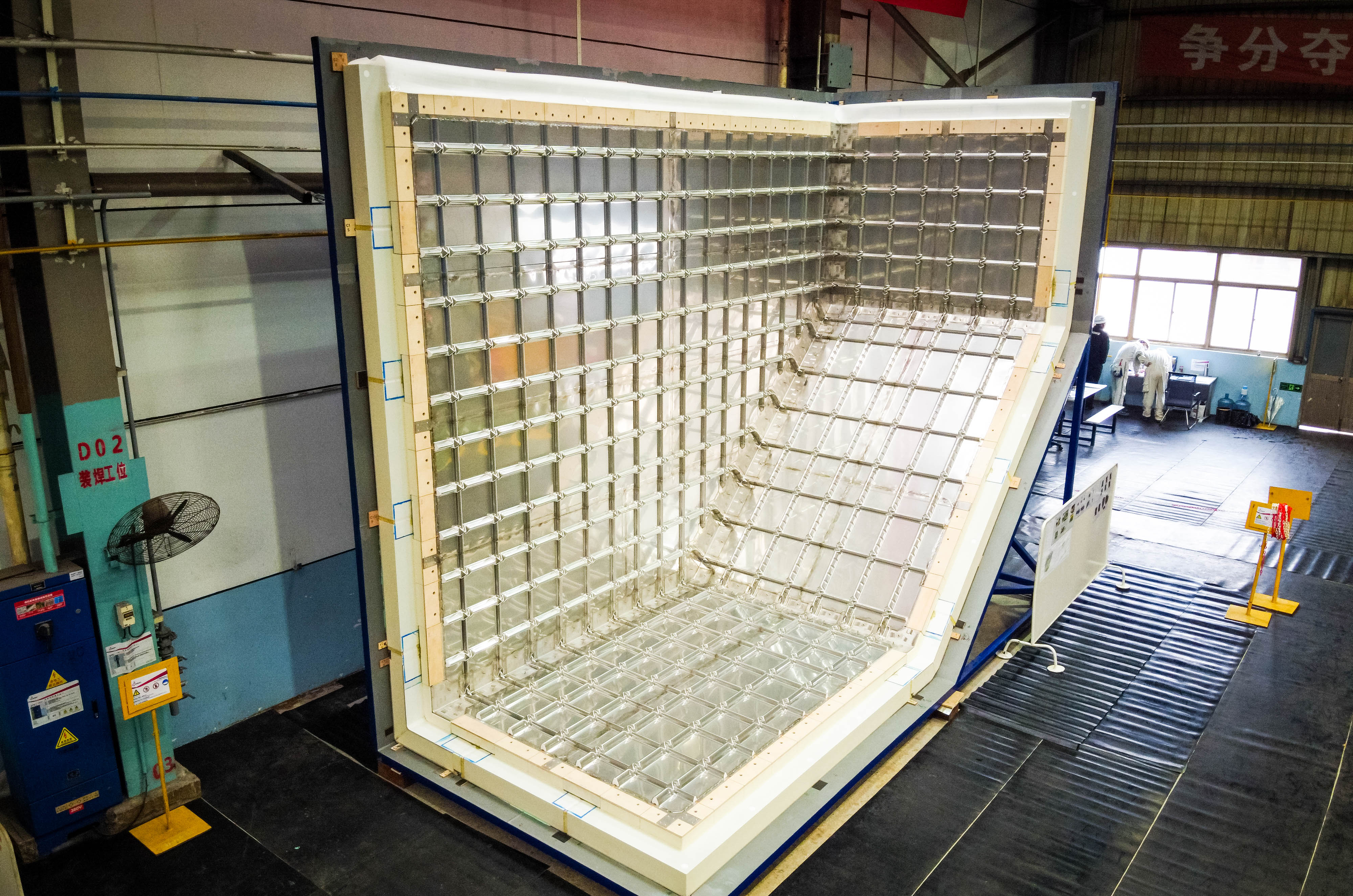
Inspections play a vital role in maintaining the integrity of LNG tanks. Traditionally, inspections relied on the Secondary Barrier Tightness Test (SBTT), which required tests during dry dock. This method often led to costly downtimes. However, the introduction of the Thermal Assessment of Membrane Integrity (TAMI) has revolutionized the process. TAMI allows inspections to be conducted while vessels are operational, enhancing both efficiency and safety.
Using advanced infrared cameras, TAMI can detect minor temperature variations, pinpointing even the smallest leaks. Inspections can be expensive, typically ranging from $20,000 to $80,000, but the costs pale in comparison to the potential losses from a leak. For instance, a TAMI inspection once escalated to $120,000 due to unforeseen circumstances, but it was a necessary investment in safety.
Looking Ahead
As technology evolves, the future of LNG tank safety looks promising. Innovations like drones and artificial intelligence (AI) are set to enhance inspection processes. Drones equipped with high-resolution thermal cameras can navigate hazardous environments quickly, collecting vital data. Meanwhile, AI can analyze this data, identifying patterns that human inspectors might miss.
However, despite technological advancements, the human element remains crucial. TAMI experts must blend technical know-how with industry experience. They interpret data and assess risks, making informed decisions that ensure safety. As technology progresses, these experts will likely transition to more specialized roles, emphasizing collaboration between humans and machines.
In summary, the importance of LNG tank safety cannot be overstated. With the right measures in place, the risks associated with LNG can be effectively managed, protecting both people and the environment.

Enter TAMI: A Game Changer in LNG Safety
Overview of TAMI Technology
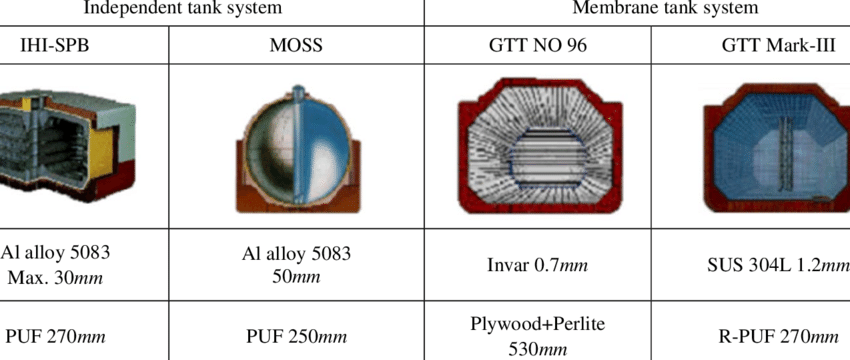
TAMI, or Thermal Assessment of Membrane Integrity, is revolutionizing the way the Liquefied Natural Gas (LNG) industry approaches safety. This innovative technology focuses on the integrity of LNG tanks, which store natural gas at extremely low temperatures—around -162 degrees Celsius. These tanks are crucial, functioning like super-chilled thermoses. However, they also pose significant risks if not monitored properly.
How TAMI Works: The Innovative Process
So, how does TAMI operate? The technology employs advanced infrared cameras to detect leaks by identifying minute temperature variations. This method is a significant leap from traditional inspection techniques. Instead of relying on manual checks, TAMI provides a more efficient and accurate assessment of tank integrity.
Imagine looking for a tiny crack in a frozen glass. It’s nearly impossible with the naked eye. But with thermal imaging, those cracks become visible. TAMI transforms tedious inspections into a swift process, allowing for real-time monitoring while vessels are operational.
Comparison with Traditional SBTT Methods
Before TAMI, inspections were conducted using the Secondary Barrier Tightness Test (SBTT). This method required a pressure difference test during dry dock, leading to expensive downtimes and lost revenue. The reliance on SBTT often resulted in lengthy inspection periods, which could disrupt operations.
SBTT: Time-consuming and costly.
TAMI: Quick and efficient, allowing for inspections without interrupting operations.
The transition from SBTT to TAMI marks a significant improvement in safety protocols within the LNG industry. As one expert noted,
"TAMI is a game changer."
Advantages of TAMI: Speed and Safety
The advantages of TAMI are clear. First, the speed of inspections is dramatically increased. Traditional methods could take days, while TAMI can often complete assessments in a matter of hours. This efficiency not only saves time but also reduces costs associated with downtime.
Second, TAMI enhances safety. By detecting leaks early, it minimizes the risk of catastrophic failures. For instance, there was a notable incident in 2004 where early detection during loading prevented a disaster. Such proactive measures are critical in protecting both the environment and the public.
The Evolution of TAMI: Past and Present
As TAMI continues to evolve, exciting developments are on the horizon. The integration of drones and artificial intelligence (AI) into the inspection process is particularly promising. Drones equipped with high-resolution thermal cameras can navigate hazardous environments more safely and efficiently than human inspectors.
AI enhances data analysis, allowing for the identification of patterns that might be missed by human eyes. This combination of technology not only improves accuracy but also empowers experts to make informed decisions based on comprehensive data.
However, while technology plays a crucial role, the human element remains irreplaceable. TAMI experts must possess a unique blend of technical skills and industry knowledge. They interpret data and assess risks, ensuring that potential issues are addressed promptly.
As TAMI technology progresses, the industry anticipates a shift in the roles of these experts. They will likely transition to more specialized positions, emphasizing collaboration between humans and machines rather than competition.
In summary, TAMI represents a significant advancement in LNG safety, transforming how inspections are conducted and enhancing overall safety measures. Its ability to detect leaks swiftly and accurately sets a new standard in the industry.
Cost Considerations: Investing in Safety
Overview of TAMI Inspection Costs
The costs associated with Thermal Assessment of Membrane Integrity (TAMI) inspections can be significant. Typically, these inspections range from $20,000 to $80,000. This price variation is influenced by several factors, including the size of the tank and its location. But why is it so critical to invest in these inspections? The answer lies in the potential risks associated with leaks.
Factors Influencing the Cost of TAMI Inspections
Several elements play a role in determining the final cost of a TAMI inspection:
Tank Size: Larger tanks require more resources and time for inspection.
Location: The geographical area can impact logistics and operational costs.
Technology Used: Advanced methods, like infrared imaging, may increase costs but offer better results.
Inspection Complexity: If the tank has a history of issues, inspections may take longer.
Understanding these factors helps stakeholders make informed decisions about their investments in safety.
Comparative Analysis: Consequences of Leaks vs. Inspection Costs
When weighing the costs of TAMI inspections against the potential consequences of leaks, the latter often proves more devastating. Consider this: a leak can lead to catastrophic events, financial losses, and long-term environmental damage. The cost of a leak can easily exceed the inspection expenses, as illustrated by a 2010 incident where a minor spill resulted in over $100,000 in repairs. In contrast, investing in TAMI inspections could prevent such costly disasters.
Real-Life Listener Experiences with TAMI Expenses
Listeners have shared their personal experiences regarding TAMI inspections. One notable case involved an inspection that escalated to $120,000 due to unforeseen circumstances. This example highlights the unpredictable nature of inspection costs. However, many listeners echoed the sentiment that, even with potential overruns,
"Even with potential overruns, TAMI starts to look like a pretty smart investment."
The peace of mind that comes from knowing their tanks are secure is invaluable.
Analyzing Long-Term Benefits of TAMI Investments
Investing in TAMI inspections is not just about immediate costs; it’s about long-term safety and savings. By identifying and addressing issues early, companies can avoid catastrophic failures. The long-term benefits include:
Reduced Risk: Enhanced safety measures minimize the likelihood of leaks.
Cost Savings: Preventive measures can save companies from hefty repair bills.
Regulatory Compliance: Regular inspections ensure adherence to safety regulations.
Reputation Management: A commitment to safety enhances a company’s reputation in the industry.
In conclusion, while TAMI inspection costs may seem high at first glance, the potential savings from avoiding leaks and ensuring safety far outweigh the initial investment. It’s a proactive approach to managing risks in the LNG sector.
Advancements on the Horizon: Drones and AI in TAMI
The landscape of tank integrity management (TAMI) is changing rapidly. Innovations in technology are paving the way for more efficient and safer inspections. One of the most notable advancements is the use of drones. These flying machines are not just toys; they are becoming essential tools in the field of LNG safety.
Innovations in Drone Technology for Inspections
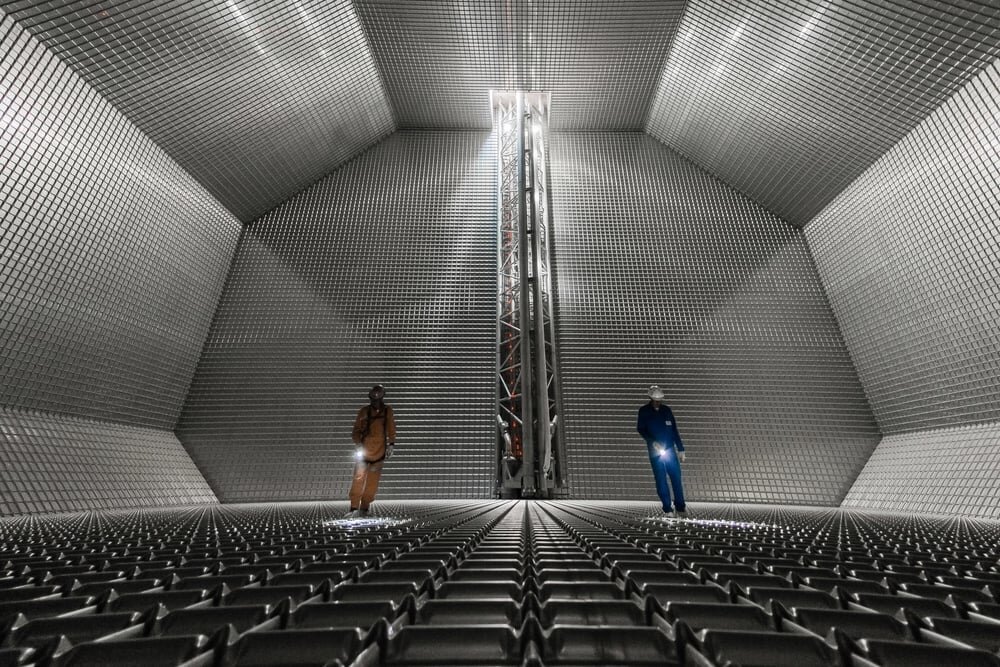
Drones have transformed how inspections are conducted. Imagine a drone flying around inside one of those massive tanks scanning for even the tiniest cracks. This imagery is becoming a reality. Drones equipped with high-resolution thermal cameras can navigate hazardous environments with ease. They collect data that was previously difficult to obtain.
Drones can cover large areas quickly.
They reduce the need for human inspectors to enter dangerous spaces.
Advanced cameras can detect minute temperature variations, signaling potential leaks.
The Role of AI in Analyzing Inspection Data
Once the drones gather data, the next step is analysis. Here, artificial intelligence plays a crucial role. AI can sift through vast amounts of data, identifying patterns and anomalies that humans might miss. This capability is essential for making informed decisions about tank integrity.
AI’s analytical prowess allows for real-time monitoring. It can alert operators to potential issues before they escalate. This proactive approach significantly enhances safety and efficiency in LNG operations.
How AI Helps in Predicting and Preventing Leaks
Leaks in LNG tanks can have catastrophic consequences. AI is helping to predict and prevent these incidents. By analyzing historical data and current inspection results, AI can forecast potential failures. This predictive capability is invaluable.
AI models can simulate various scenarios.
They help in understanding how different factors contribute to leaks.
Early warnings can prevent costly repairs and environmental damage.
Future Applications of Robotics in LNG Safety
The future of LNG safety is not limited to drones and AI. Robotics is also making strides. Robotic systems can perform inspections in environments that are hazardous for humans. They can be deployed in tanks, pipelines, and other critical areas.
These robots can work alongside drones and AI, creating a comprehensive inspection system. Together, they enhance the overall safety and efficiency of LNG operations.
Challenges and Benefits of Implementing Such Technologies
While the benefits of drones and AI in TAMI are clear, challenges remain. Implementing these technologies requires significant investment. Organizations must also adapt to new regulatory frameworks. Collaboration between industry players, regulators, and policymakers is essential.
However, the potential for increased efficiency and safety is worth the effort. The integration of these technologies can lead to a more robust approach to LNG safety. As the industry evolves, the human element remains vital. Experts who understand both the technology and the industry will be crucial in interpreting data and making decisions.
In conclusion, the advancements in drone technology and AI are reshaping TAMI. These tools are not just enhancing inspections; they are changing the entire approach to LNG safety. The future looks promising, with technology and human expertise working hand in hand.
Human Element: The Expertise Behind TAMI
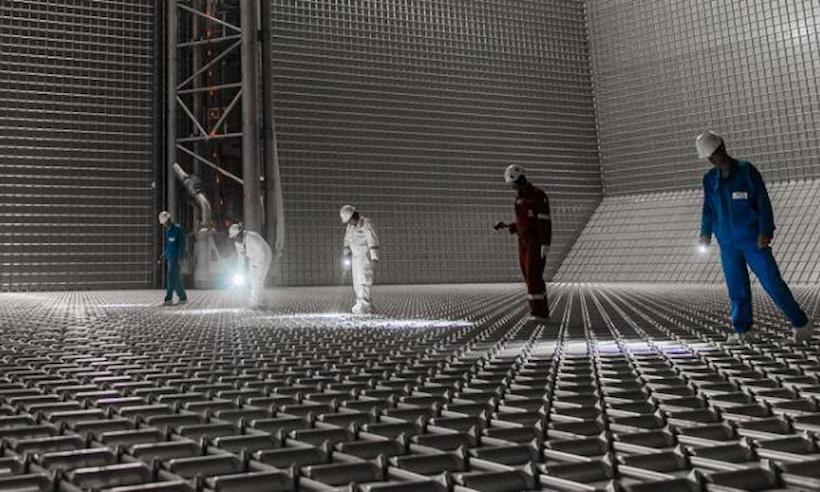
In the realm of Thermal Assessment of Membrane Integrity (TAMI), the human element plays a crucial role. While technology advances at a rapid pace, the need for human expertise in tech integration remains paramount. TAMI inspectors are not just operators of machines; they are skilled professionals who interpret complex data to ensure the safety of Liquefied Natural Gas (LNG) tanks.
Importance of Human Expertise in Tech Integration
Why is human expertise so vital in this tech-driven world? The answer lies in the intricacies of LNG containment systems. These tanks operate at extremely low temperatures, around -162 degrees Celsius. Detecting leaks or potential failures requires more than just advanced technology; it demands the keen judgment and experience of trained inspectors. As one expert aptly put it,
"A good TAMI inspector, they're like detectives."
They analyze data, assess risks, and make informed decisions based on their findings.
Skills and Training Needed for TAMI Inspectors
What does it take to become a TAMI inspector? The skills and training required are extensive. Inspectors must have a solid understanding of thermal imaging technology, as well as the ability to analyze data effectively. Here are some key skills:
Technical Knowledge: Familiarity with thermal imaging and data analysis.
Critical Thinking: Ability to assess risks and make sound judgments.
Communication Skills: Effectively conveying findings to stakeholders.
Continuous Learning: Staying updated with technological advancements.
Continuing education is essential in this field. As technology evolves, so too must the skills of TAMI inspectors. They must adapt to new tools and methods to remain effective.
How the Role of Inspectors is Evolving with Technology
The role of TAMI inspectors is not static. With the introduction of drones, robotics, and artificial intelligence (AI), inspectors are transitioning into more specialized roles. For instance, drones equipped with high-resolution thermal cameras can navigate hazardous environments, collecting data more efficiently than ever before. This allows inspectors to focus on interpreting the data rather than just gathering it.
As technology continues to advance, inspectors will find themselves in positions where they collaborate with machines, rather than compete against them. The future of TAMI inspections will likely see a blend of human intuition and machine precision, enhancing overall safety and efficiency.
Real Stories from Industry Professionals
Real-life experiences from industry professionals highlight the importance of human expertise. One inspector shared a story about a TAMI inspection that revealed a minor leak in a tank. Thanks to their keen observation and understanding of the technology, they were able to act swiftly, preventing a potential disaster. Such stories underscore the invaluable contribution of human inspectors in maintaining safety standards.
Collaboration Between Technology and Expertise
The interplay between technology and human expertise creates a robust framework for safety. While TAMI provides advanced tools for inspections, it is the inspectors who bring context and understanding to the data. They interpret findings and make decisions that machines cannot. This collaboration is essential for the future of tank integrity management.
In conclusion, the human element in TAMI is irreplaceable. Inspectors are not just technicians; they are detectives of safety, using both technology and their expertise to protect vital resources. As they navigate the evolving landscape of LNG technology, their role will only become more critical.
Regulatory Framework: Balancing Innovation and Safety
In today's rapidly evolving technological landscape, the necessity for regulations cannot be overstated. As industries innovate, they must also ensure safety and compliance. This is particularly true in the realm of Liquefied Natural Gas (LNG), where the stakes are incredibly high. The question arises: how do we strike a balance between fostering innovation and maintaining safety standards?
The Necessity for Regulations in a Tech-Evolving World
Regulatory frameworks are essential for several reasons:
They protect public health and safety.
They ensure environmental sustainability.
They foster consumer confidence.
As technology advances, regulations must adapt to new challenges. For instance, the introduction of Thermal Assessment of Membrane Integrity (TAMI) has revolutionized how LNG tanks are monitored. But without proper regulations, the risks associated with these innovations could outweigh their benefits.
Challenges in Updating Regulatory Standards
Updating regulatory standards is not without its challenges. One significant hurdle is the pace of technological change. Regulators often struggle to keep up with innovations like TAMI, which employs advanced infrared technology to detect leaks. This lag can create gaps in safety, exposing the industry to potential disasters.
Moreover, regulatory bodies may face resistance from industry players who fear that stringent regulations could stifle innovation. This creates a delicate balancing act: how can regulators ensure safety without hindering progress?
How TAMI Fits in with International Safety Standards
TAMI is a prime example of how innovative technology can align with international safety standards. The International Gas Carrier (IGC) code mandates consistent standards in LNG transport. TAMI enhances compliance with these standards by providing real-time monitoring capabilities. This ensures that LNG tanks maintain their integrity, significantly reducing the risk of leaks.
As the industry evolves, TAMI is becoming a standard practice, demonstrating that innovation and safety can coexist. It’s essential that technology serves us, not the other way around.
The Need for Collaboration Between Industry and Regulators
Collaboration is key in this complex landscape. Industry experts and regulators must work together to create frameworks that promote safety while allowing for innovation. This partnership can lead to:
More effective regulations that reflect current technologies.
Shared knowledge and resources.
Faster adoption of new safety practices.
When both parties engage in open dialogue, they can address concerns and adapt regulations to meet the needs of the industry.
Future Considerations for Safe Innovation
Looking ahead, the future of LNG safety will likely involve even more advanced technologies, such as drones and artificial intelligence. These tools promise to enhance inspections and data analysis, but they also raise new regulatory questions. How will regulators adapt to these changes? What new standards will be necessary to ensure safety?
As TAMI and similar technologies evolve, the importance of continued education and curiosity cannot be ignored. Industry professionals must stay informed about regulatory changes and technological advancements to navigate this dynamic landscape effectively.
In conclusion, the intersection of regulation and evolving technology within TAMI highlights the critical need for a balanced approach. By fostering collaboration between industry and regulators, we can ensure that innovation serves the greater good while maintaining the highest safety standards. The road ahead may be challenging, but with the right frameworks in place, the future of LNG safety looks promising.
TL;DR: In our in-depth exploration of TAMI technology, we uncovered how this innovative approach is redefining LNG tank safety, pinpointing leaks with extraordinary precision, and the exciting prospects it has for the future of the industry.
Comments
Post a Comment