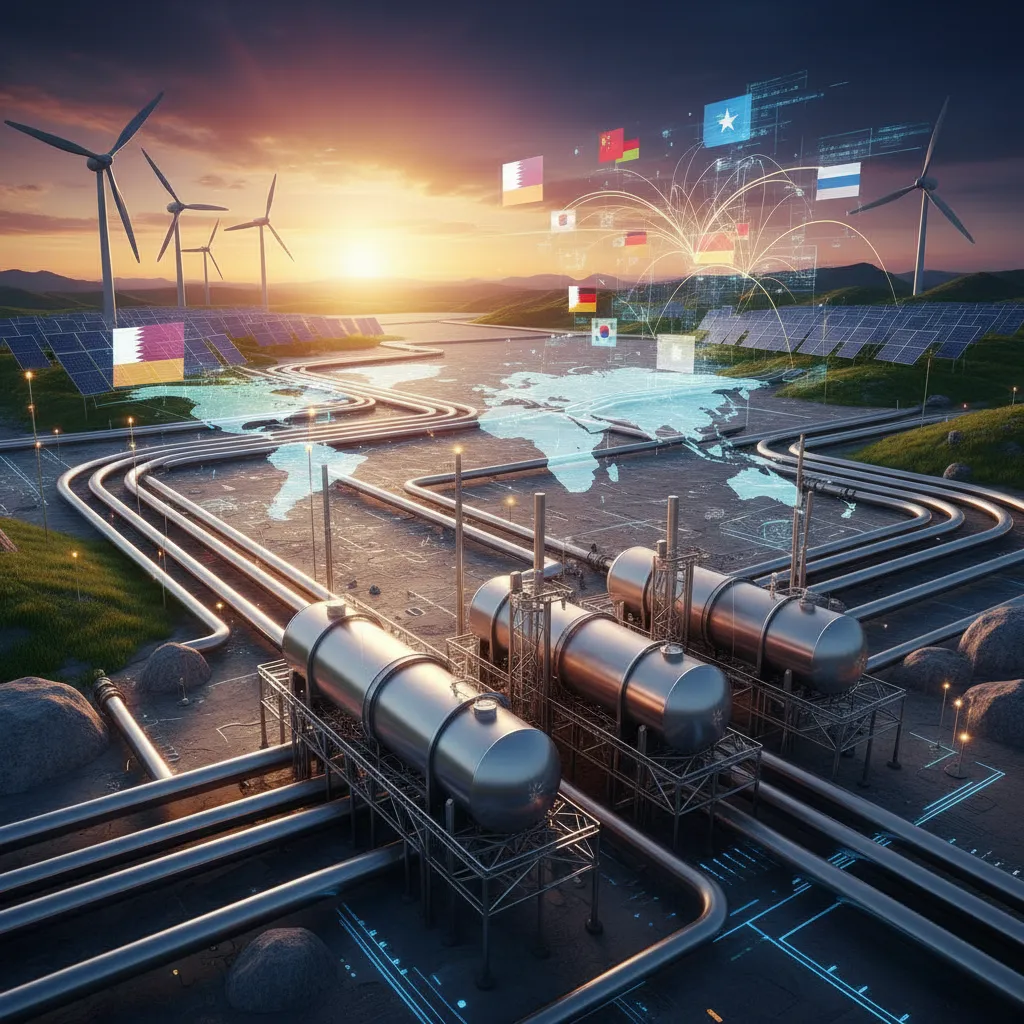
“I still remember seeing my first LNG tanker leave port—it felt like watching a space shuttle launch, with all the spotlights and hush of anticipation.” For decades, LNG has quietly powered factories, heated homes, and, lately, leaped onto the world stage as a geopolitical chess piece. Yet behind the statistics and contracts, the story of LNG is filled with unpredictability: from frozen methane down to -162°C, to billion-dollar investments hinging on tomorrow's news. Let’s venture into the quirks, challenges, and hidden opportunities animating today’s LNG market.
1. LNG Market Trends: The Numbers, the Narratives, and the Not-So-Obvious Drivers
The global Liquefied Natural Gas (LNG) market is undergoing rapid change, shaped by shifting energy needs, new technology, and evolving geopolitics. As countries work to meet ambitious decarbonisation targets for 2050, LNG has stepped into the spotlight as a vital “bridge fuel.” Its cleaner-burning profile compared to coal and oil, along with its flexibility for both industry and households, makes it a key player in the transition to a lower-carbon future.
From Pipeline Boundaries to Global Reach
LNG is essentially natural gas—mostly methane—that has been purified and cooled to -162°C, shrinking its volume by about 600 times. This process allows it to be shipped across oceans in special vessels, bypassing the limitations of pipelines. The technology behind this is impressive, requiring advanced storage tanks and strict safety standards due to methane’s flammability and the extreme cold involved.
Snapshot: Surging Asian Demand and What’s Fueling It
Asia has become the world’s LNG growth engine. Countries like China, Japan, and South Korea are driving demand as they shift away from coal and seek reliable, cleaner energy sources. Economic growth, urbanization, and energy security concerns are major factors. For example, China’s push to reduce air pollution and meet climate goals has led to a rapid increase in LNG imports, while Japan’s energy mix continues to rely heavily on LNG after scaling back nuclear power.
- China: Aggressive air quality targets and industrial growth.
- Japan: LNG fills the gap left by reduced nuclear generation.
- South Korea: Policy-driven transition from coal to gas.
Unexpected Impacts: Local Events with Global Ripples
The LNG market is highly sensitive to regional events. A single cold winter in Korea or Japan can send shockwaves through global prices. For instance, when Korea experienced an unusually harsh winter, demand for heating surged. This led to a scramble for spot LNG cargoes, driving up prices not just in Asia, but also in Europe and the U.S., as traders redirected shipments to the highest bidders.
Such events highlight the interconnectedness of the LNG market. Regional price differences—like those between Europe’s TTF and Asian benchmarks—create opportunities for traders to reroute cargoes, but also introduce volatility. The ability to respond quickly to these shifts is now a critical part of commercial strategy.
Anecdote: The Trader’s Netback Surprise
A seasoned LNG trader recalls a recent winter when spot prices in Asia soared overnight. Originally, a cargo was destined for Europe, but real-time market analysis showed a massive premium in South Korea. The team quickly negotiated with shipping partners and regulatory authorities, rerouting the vessel mid-voyage. The result? A netback that was almost double the original forecast, thanks to agile decision-making and flexible contract terms. This single move not only boosted profits, but also underscored the value of dynamic cargo management in today’s LNG market.
The Not-So-Obvious Drivers
- Technological innovation: AI-driven logistics, predictive analytics, and blockchain are streamlining operations and boosting transparency.
- Small-scale liquefaction: Unlocks stranded gas reserves, offering resilience and flexibility.
- Regulatory oversight: Agencies like PURA and the U.S. Coast Guard enforce safety and environmental standards, shaping best practices.
- Environmental compliance: Methane management and emissions standards are increasingly central to commercial and operational decisions.
The LNG market’s complexity is driven by a mix of visible and hidden forces. From regional weather events to cutting-edge technology and evolving regulations, the sector’s ability to adapt and innovate is what keeps it at the heart of the global energy transition.
2. Not All Molecules Travel Equal: Pricing Dynamics and Regional Disparities
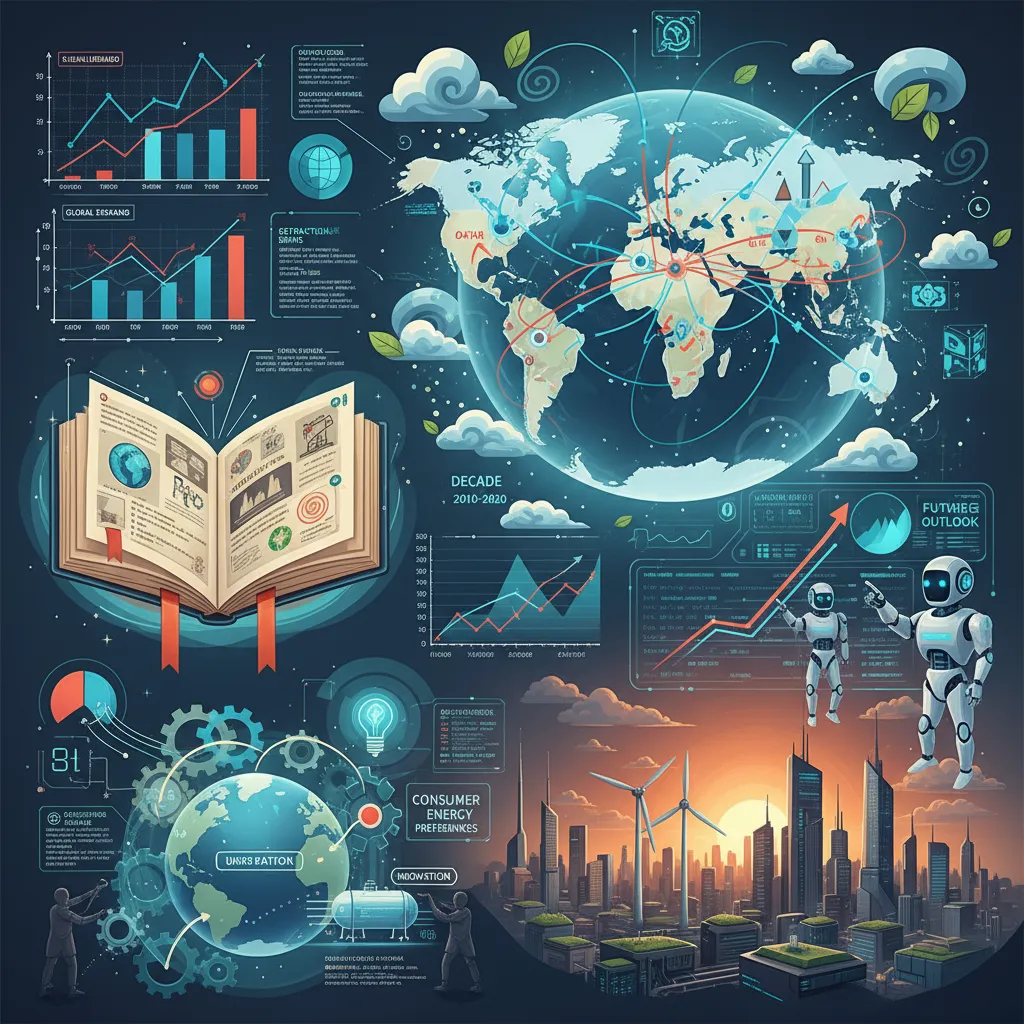
The global LNG market is a complex web of supply routes, contracts, and pricing benchmarks. One of the most striking features is how the very same LNG molecule can command vastly different prices depending on where it lands. For example, a cargo of LNG may fetch a premium in Tokyo while trading at a discount in Rotterdam. This disparity is not just a quirk of geography—it is the result of a dynamic interplay between regional demand, infrastructure, regulations, and geopolitics.
Why Does LNG Fetch Wildly Different Prices in Tokyo vs. Rotterdam?
At the heart of LNG pricing are regional benchmarks. In Europe, the Title Transfer Facility (TTF) in the Netherlands sets the tone. In Asia, the Japan-Korea Marker (JKM) is the key reference, while in the United States, Henry Hub serves as the primary index. These benchmarks reflect local supply and demand, infrastructure constraints, and the cost of getting LNG from source to consumer.
- Shipping Distance and Costs: LNG must be transported in specialized cryogenic vessels. The farther the journey, the higher the shipping costs, which are passed on to buyers.
- Regulatory and Environmental Standards: Different regions impose varying safety, emissions, and import requirements, affecting the final price.
- Geopolitical Factors: Political tensions, sanctions, and trade policies can disrupt supply chains and create price spikes or discounts.
- Market Structure: Europe’s liberalized gas market allows for more spot trading, while Asia often relies on long-term contracts linked to oil prices, adding another layer of complexity.
Breaking Down Key Markets: TTF, JKM, and Henry Hub
Each major LNG market has its own pricing logic:
- TTF (Europe): Highly liquid, driven by real-time supply and demand, and sensitive to pipeline disruptions or storage levels.
- JKM (Asia): Reflects the needs of import-dependent economies like Japan and South Korea, often experiencing higher prices during peak demand or supply shortages.
- Henry Hub (US): Anchored by abundant domestic shale gas, it typically sits at the low end of the global price spectrum, making U.S. LNG exports attractive—when shipping and liquefaction costs allow.
| Region | Benchmark | Typical Price Range (2023-2024, $/MMBtu) | Main Price Drivers |
|---|---|---|---|
| Europe | TTF | $10–$18 | Pipeline supply, storage, weather, geopolitics |
| Asia | JKM | $12–$20 | Seasonal demand, shipping, oil-linked contracts |
| United States | Henry Hub | $2–$4 | Domestic supply, export capacity, infrastructure |
Real-World Example: Chasing the Best Price
The flexibility of LNG trade was on full display in early 2022. As Asian spot prices soared due to a cold snap and supply disruptions, several U.S. exporters took advantage of destination-flexible contracts. Originally bound for Europe, LNG cargoes were redirected mid-voyage to Asia, where they fetched a significant premium. This real-time market agility—enabled by digital tracking, advanced analytics, and contractual flexibility—demonstrates how LNG’s global nature allows traders to optimize profits and respond to sudden shifts in regional demand.
“LNG’s ability to find the highest-value market in real time is a testament to the sector’s commercial and logistical sophistication.” — Industry Analyst, 2023
These pricing dynamics and regional disparities are not just academic—they shape investment decisions, influence energy security strategies, and determine the winners and losers in the race for cleaner, more reliable energy.

3. Tech on Ice: Digitalization, Innovation, and LNG’s Hidden Heroes
The Liquefied Natural Gas (LNG) industry is often seen through the lens of geopolitics and energy economics, but behind the scenes, a quiet revolution is underway. Technology—especially digitalization and innovation—has become the backbone of LNG’s global transformation. From artificial intelligence (AI) that outsmarts seasoned traders to the unsung engineers braving freezing nights, these hidden heroes are redefining what’s possible in the world of LNG.
AI and Predictive Analytics: Outsmarting the Market
In today’s fast-moving LNG market, timing and precision are everything. AI-driven analytics are now at the heart of LNG logistics, enabling companies to make smarter, faster decisions. Predictive models analyze real-time data from global markets, weather patterns, and shipping routes, helping operators redirect cargoes to the most profitable destinations. This agility is crucial, especially when regional price differences—such as between Europe’s TTF and Asia’s JKM benchmarks—create lucrative arbitrage opportunities.
What sets AI apart is its ability to process vast amounts of information—far more than any human trader could handle. For example, when a sudden cold snap hits Europe, AI systems can instantly reroute LNG shipments from the U.S. Gulf Coast, maximizing profits and ensuring energy security. In some cases, these algorithms have even outperformed veteran traders, spotting trends and risks that would otherwise go unnoticed.
Transport Innovation: From Double-Walled Tanks to Autonomous Vessels
Transporting LNG is a technological marvel in itself. The process begins with cooling natural gas to -162°C, shrinking its volume by 600 times. Specialized double-walled nickel-steel tanks are essential for safely storing and moving this cryogenic liquid. These tanks, insulated to prevent heat transfer, are a testament to advanced engineering and strict safety standards.
But the future holds even more promise. The industry is now exploring autonomous LNG vessels—ships equipped with advanced navigation systems, sensors, and AI-driven controls. These vessels could one day cross oceans with minimal human intervention, reducing costs and enhancing safety. While still in development, pilot projects are already underway, signaling a new era of efficiency and reliability in LNG transport.
Quantum Leap: The Wild Card of LNG Logistics
Imagine a world where a quantum computer calculates every possible LNG shipment route, market fluctuation, and weather event in real time. While this might sound like science fiction, quantum computing is rapidly advancing. In the near future, these powerful machines could optimize global LNG supply chains with unprecedented speed and accuracy, further reducing costs and emissions. For now, it remains a wild card—but one that industry leaders are watching closely.
Anecdote: The Hidden Heroes on the Front Lines
“It was 2 a.m. on a bitterly cold January night. I got the call—one of our key sensors had failed at the liquefaction plant. With temperatures well below freezing, every minute counted. We scrambled into our thermal suits, braved the icy winds, and managed to fix the malfunction just in time. If we hadn’t, we could have lost a shipment worth millions. It’s moments like these that remind you—technology is only as good as the people behind it.”
The Human Element: Safety, Training, and Adaptation
While digital tools and advanced machinery are transforming LNG, the human factor remains critical. Engineers, operators, and safety crews work around the clock to maintain operational reliability. Predictive maintenance, advanced leak detection, and continuous training ensure that technology and people work hand in hand, minimizing downtime and protecting both assets and communities.
As the LNG sector pushes the boundaries of what’s possible, its hidden heroes—both human and technological—are quietly shaping the future of global energy.
4. Small-Scale, Big Waves: Flexibility and Resilience Through Local Solutions
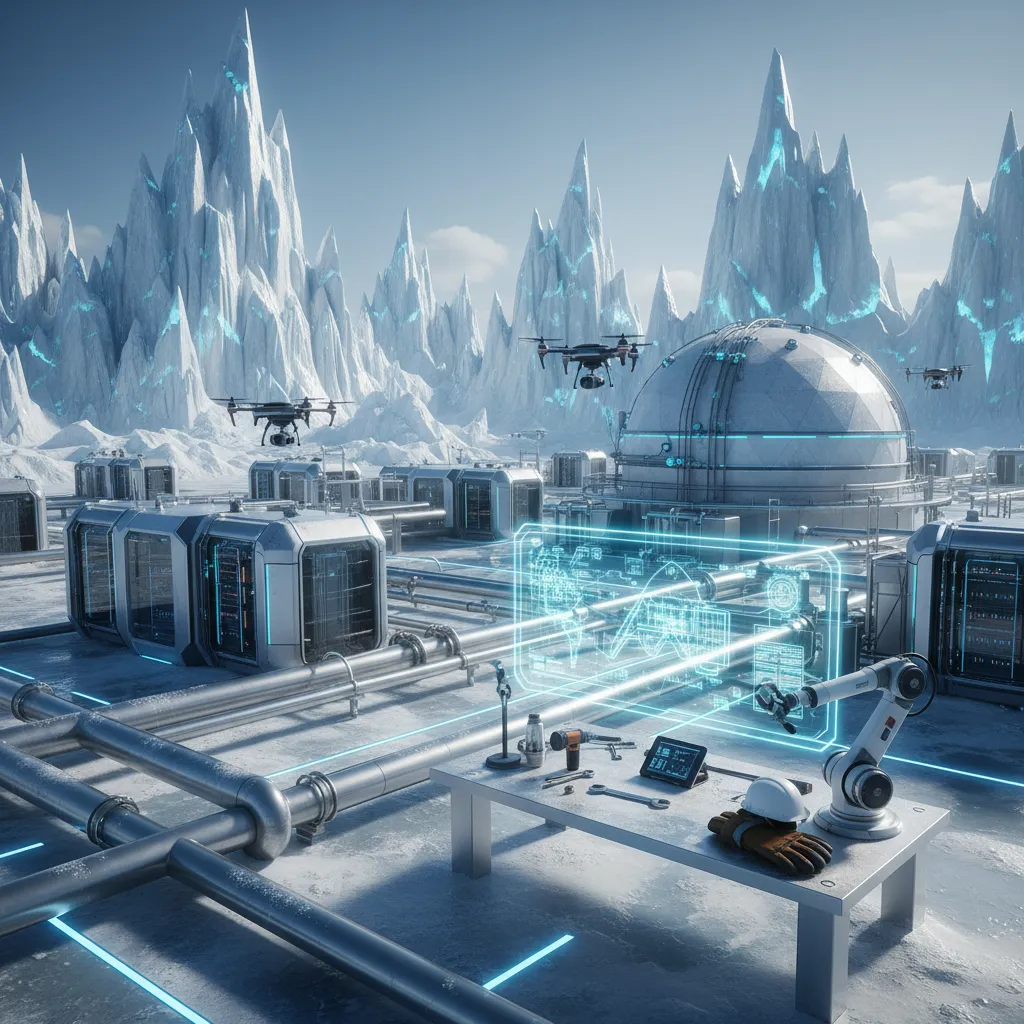
The global LNG market is often associated with massive tankers, sprawling export terminals, and billion-dollar infrastructure projects. Yet, a quieter revolution is underway: the rise of small-scale liquefaction and distribution. This shift is unlocking stranded gas reserves—pockets of natural gas that were previously uneconomical to access—by essentially “bottling up” pure energy for local or regional use. These smaller, modular LNG facilities are transforming how communities and industries meet their energy needs, adding a new layer of flexibility and resilience to the energy landscape.
Unlocking Stranded Gas: Local Energy, Global Impact
Traditionally, remote or isolated gas fields were left untapped due to the high costs and logistical challenges of connecting them to major pipelines or export terminals. Small-scale LNG changes this equation. By enabling on-site liquefaction, operators can now capture and transport gas in compact, insulated containers—by truck, rail, or even small ships—to where it’s needed most. This approach is particularly valuable for island nations, remote industrial sites, and regions with seasonal demand spikes.
- Energy Access: Small-scale LNG brings reliable power to off-grid communities, supporting economic growth and improved quality of life.
- Decentralized Supply: Localized production reduces dependence on single supply routes, enhancing energy security in volatile times.
- Environmental Gains: Utilizing stranded gas helps reduce flaring and methane emissions, aligning with global decarbonization goals.
Regulators at the Helm: PURA and the U.S. Coast Guard
As small-scale LNG proliferates, regulatory oversight becomes even more critical. Agencies like the Public Utilities Regulatory Authority (PURA) and the U.S. Coast Guard play pivotal roles in ensuring safety, environmental compliance, and operational reliability. Their responsibilities include:
- Facility Safety: Enforcing rigorous standards for storage, transport, and handling of cryogenic LNG.
- Environmental Protection: Monitoring emissions, leak detection, and spill response protocols.
- Market Integrity: Overseeing fair access and transparent pricing in newly opened local markets.
With more facilities operating closer to populated areas, the importance of robust regulatory frameworks cannot be overstated. These agencies help build public trust and ensure that innovation does not outpace safety.
Wild Card Scenario: LNG Trucks in Remote Alaska
Imagine LNG trucks delivering fuel to a tiny Alaskan town previously reliant on expensive diesel. This local solution could spark unexpected ripple effects:
- Regional Price Shifts: Reduced diesel demand may lower local fuel prices, while freeing up LNG supply for export markets.
- Supply Chain Innovation: Success in Alaska could inspire similar projects in other remote regions, expanding the market for small-scale LNG.
- Global Market Dynamics: Even small changes in local demand can influence spot LNG prices, especially during periods of tight supply or high volatility.
This scenario highlights how localized solutions can have outsized impacts, demonstrating LNG’s unique ability to bridge gaps in both geography and supply.
Case in Point: Flexible Contracts in a European Winter
The value of flexibility was made clear during a recent European winter, when a utility company leveraged its flexible LNG contracts to secure additional cargoes as temperatures plunged. While fixed contracts locked other buyers into predetermined volumes and destinations, this utility was able to redirect shipments, outmaneuver competitors, and keep the lights on during a critical period.
“Flexible LNG contracting isn’t just a commercial advantage—it’s a lifeline during energy crises,” noted a senior energy analyst at the Department of Energy.
This example underscores the growing importance of adaptable supply chains and dynamic risk management in the evolving LNG market.
5. Looking Forward: Sustainability, Oversupply Fears, and the Next Chapter for LNG
As the global LNG market continues to evolve, its future is shaped by a delicate balance between opportunity and uncertainty. The coming years—especially through 2025 and toward 2030—will test the industry’s ability to navigate shifting demand, potential oversupply, and the growing imperative for sustainability. While LNG has established itself as a crucial bridge fuel for economies transitioning away from coal and oil, the sector now faces a new set of challenges that will define its next chapter.
One of the most pressing questions is whether the market will tip toward oversupply or maintain stability. Recent years have seen a surge in new liquefaction projects, particularly in the United States, Qatar, and Australia. These investments, driven by the promise of long-term demand in Asia and Europe, could lead to a wave of new capacity coming online by the mid-2020s. Some analysts warn that if demand growth slows—due to economic headwinds, accelerated renewable adoption, or efficiency gains—global LNG markets could experience a period of oversupply. This scenario would likely put downward pressure on prices and squeeze margins for producers, making operational efficiency and flexible contracting more important than ever.
Conversely, others argue that LNG demand will remain robust, underpinned by the ongoing need for reliable, dispatchable energy to complement intermittent renewables. Europe’s pivot away from Russian pipeline gas, coupled with industrial growth in Asia, supports the case for sustained demand. The real challenge, then, is not just about balancing supply and demand, but about ensuring that LNG can meet increasingly strict environmental and regulatory expectations.
Tighter emissions rules are rapidly changing the landscape. Methane, the primary component of LNG, is a potent greenhouse gas. As governments and regulators introduce stricter standards for methane emissions across the value chain—from production to liquefaction, shipping, and regasification—every megaton of methane lost to leaks or venting becomes a critical concern. Advanced leak detection technologies, real-time monitoring, and transparent reporting are no longer optional; they are essential for compliance and for maintaining public trust in LNG as a cleaner energy source.
This brings the industry face-to-face with a sustainability paradox. LNG is widely promoted as a lower-carbon alternative to coal and oil, helping other sectors reduce their emissions. Yet, to maintain this role, the LNG sector itself must decarbonize. This means investing in carbon capture and storage (CCS), electrifying liquefaction facilities with renewable power, and adopting best practices for methane management. The sector’s credibility as a “cleaner” fuel depends on its ability to minimize its own environmental footprint, even as it enables others to transition.
Looking ahead, the LNG market will reward those who can adapt quickly and manage risk proactively. Digitalization, artificial intelligence, and quantum computing are set to transform logistics, trading, and emissions monitoring, giving agile players a competitive edge. At the same time, regulatory compliance and environmental stewardship will be non-negotiable, shaping investment decisions and operational strategies across the value chain.
In conclusion, the next chapter for LNG is defined by complexity and opportunity. The market’s future will hinge on the industry’s ability to balance supply and demand, meet rising sustainability standards, and embrace technological innovation. Companies that invest in operational excellence, flexible business models, and transparent environmental practices will be best positioned to thrive. Ultimately, LNG’s ongoing balancing act—between growth and responsibility—will determine its place in the global energy transition for decades to come.
TL;DR: LNG’s global journey is defined by rapid change—where technology, unpredictable pricing, and new market forces mean only the adaptable thrive. While geopolitics and innovation keep everyone guessing, LNG’s future as an anchor and a bridge in the clean energy transition seems all but assured.
Comments
Post a Comment