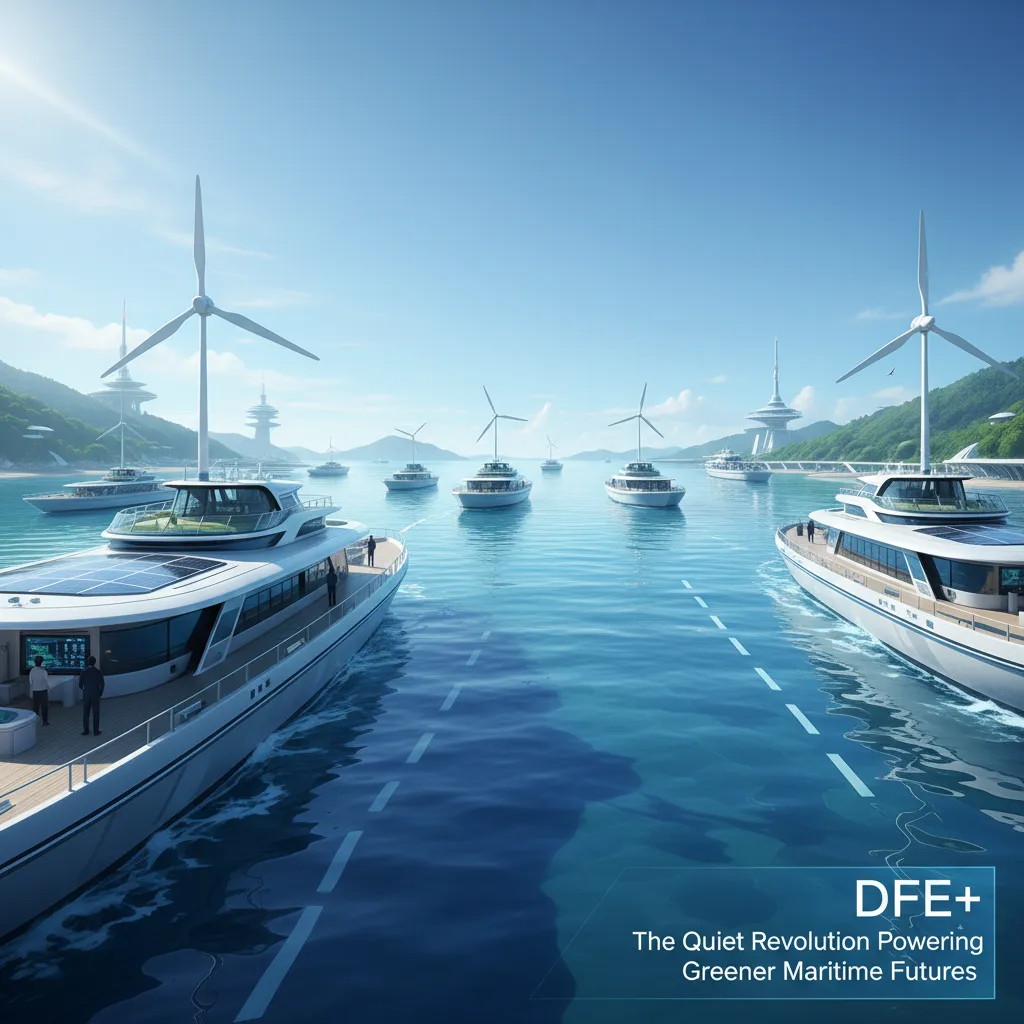
A few years ago, I found myself watching a tugboat glide silently into a busy harbor, ferrying a freighter with little more than a gentle hum—a stark contrast to the rumble and smoke plumes of the old days. That moment stuck with me: What if the future of shipping could really be this clean—and this smart? With looming deadlines for global shipping to slash emissions, technologies like Dual Fuel Electric Plus (DFE+) propulsion aren’t just buzzwords—they’re practical solutions with real momentum. Let’s unravel what DFE+ actually means for shipping, why it’s more than a passing trend, and how it could change the story of maritime sustainability for good.
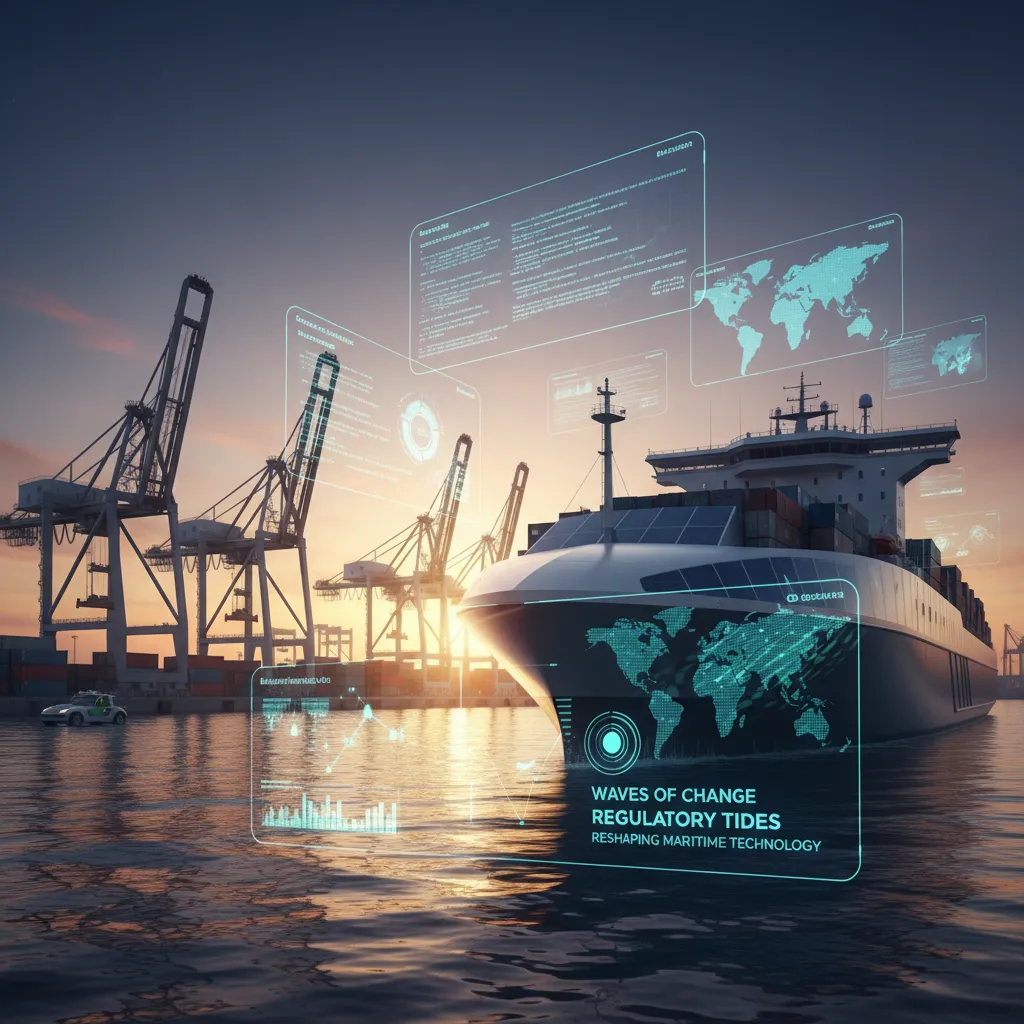
Waves of Change: How Regulatory Tides Reshape Maritime Technology
The maritime sector stands at the threshold of unprecedented transformation as 2025 brings a surge of new maritime environmental regulations. These regulatory waves—anchored by the EU Emissions Trading System 2025, MARPOL Annex VI amendments, and the IMO net-zero framework—are fundamentally reshaping how ships are designed, powered, and operated. For vessel owners and operators, compliance is no longer optional; it is a strategic imperative that drives both risk and opportunity.
2025: The Year of Regulatory Convergence
From January 2025, the expanded EU ETS will require all vessels over 5,000 GT calling at EU ports to report and verify their emissions, with non-compliance leading to costly offset purchases or even port access denial. Simultaneously, FuelEU Maritime compliance mandates ships to achieve progressive greenhouse gas (GHG) intensity reductions, while the MARPOL Annex VI amendments (effective August 1, 2025) tighten fuel specifications, enforce mandatory data collection, and introduce new rules for low-flashpoint fuels like LNG.
Globally, the IMO net-zero framework sets the stage for mandatory marine fuel standards and emissions pricing, aiming for net-zero GHG emissions by 2050. In the US, the proposed Clean Shipping Act will introduce stricter GHG limits and require zero emissions at berths by 2035. These interconnected regulations create a complex compliance landscape, but also open the door to innovation.
Regulations Drive Demand for Tech-Forward Solutions
The International Maritime Organization’s Energy Efficiency Existing Ship Index (EEXI) and Carbon Intensity Indicator (CII) are pushing fleets to adopt advanced energy efficiency measures. As Dr. Maria Kousoulidou notes:
Regulations are both a stick and a carrot—hard to ignore if you want to stay afloat.
Operators who fail to meet these thresholds face not only financial penalties but also reputational risks and lost business opportunities. Conversely, early adopters of compliant technologies can benefit from green financing, improved charter rates, and reduced operating costs.
DFE+: Meeting the Challenge Head-On
Against this regulatory backdrop, solutions like Dual Fuel Electric Plus (DFE+) are gaining traction. DFE+ systems, integrating dual-fuel engines, advanced electric propulsion, and energy storage, directly address the demands of FuelEU Maritime compliance and MARPOL Annex VI amendments. Their modular, fuel-agnostic design also positions them for future adaptation to zero-carbon fuels, aligning with the IMO net-zero framework.
- Operational Flexibility: DFE+ enables seamless switching between LNG, liquid fuels, and battery power, supporting compliance across jurisdictions.
- Cost Savings: Early adopters, such as a leading Mediterranean shipping firm, have reported significant reductions in fuel costs and EU port fees after retrofitting their fleet with DFE+ systems—while also enhancing their vessels’ charter appeal.
- Transparency and Reporting: Integrated energy management systems simplify emissions data collection and reporting, streamlining compliance with the EU Emissions Trading System 2025 and FuelEU Maritime requirements.
As regulatory tides rise, the maritime industry’s ability to adapt with solutions like DFE+ will define its future competitiveness and sustainability.
Cracking Open the Black Box: What Exactly is DFE+?
The Dual Fuel Electric Plus (DFE+) propulsion system is quietly reshaping the maritime industry’s approach to sustainability and operational efficiency. At its core, DFE+ is a sophisticated integration of several advanced technologies, each playing a crucial role in powering greener, more adaptable ships.
What Does DFE+ Stand For?
DFE+ stands for Dual Fuel Electric Plus—a next-generation propulsion system that combines:
- Dual-fuel engines (primarily LNG or liquid fuel, such as those from MAN Energy Solutions)
- Battery Energy Storage Systems (BESS)—typically high-capacity lithium-ion batteries
- Advanced power electronics like the ABB Dynamic AC (DAC) power distribution system
- High-efficiency Permanent Magnet Motors (PMMs)
- Propulsion Energy Management System (PEMS)—the software “brain” orchestrating it all
Key Players and Technologies
The DFE+ ecosystem brings together industry leaders:
- MAN Energy Solutions dual-fuel engines: 4-stroke units capable of running on both LNG and traditional fuels, offering flexibility and lower emissions.
- ABB Dynamic AC power distribution maritime: Ensures robust, precise, and loss-minimized electrical power management throughout the vessel.
- Battery Energy Storage Systems (BESS) maritime: Provide peak shaving, spinning reserve, and enable zero-emission operation zones.
- High-efficiency Permanent Magnet Motors (PMMs) maritime: Achieve over 98% efficiency, supporting compact, lightweight designs and freeing up valuable cargo space.
What Sets DFE+ Apart?
- Modularity and Fuel-Agnostic Operation: DFE+ systems can be tailored for new ships or retrofitted onto existing vessels, making them a future-proof solution. Their modular design supports seamless upgrades and integration with emerging fuels.
- Software-Driven Energy Management: The Propulsion Energy Management System (PEMS) uses advanced analytics and, increasingly, AI to coordinate engines, batteries, and motors in real time. As Captain Sven Lofgren notes:
Our big leap wasn’t just hardware—it was trusting an algorithm to run my whole ship.
- Operational Flexibility: DFE+ supports dual-fuel, all-electric, and hybrid modes, allowing operators to adapt to changing fuel prices, supply conditions, and regulatory requirements.
Surprising Facts and Industry Trends
- PMMs deliver over 98–99% efficiency—a figure that impresses even land-based engineers.
- BESS integration can yield up to 4.8% fuel savings per voyage and daily fuel cost reductions of 67.5% on hybrid LNG tugboats.
- Not just for newbuilds: DFE+ retrofits are enabling older vessels to meet modern efficiency and emissions standards.
- Smaller shipping lines are exploring DFE+ to stay ahead, even in regions where LNG infrastructure is still developing.
In essence, the Dual Fuel Electric Plus propulsion system is more than a sum of its parts. By marrying MAN Energy Solutions dual-fuel engines, ABB Dynamic AC power distribution, BESS, and high-efficiency PMMs—all coordinated by a smart PEMS—DFE+ is setting a new benchmark for maritime efficiency, flexibility, and sustainability.
LNG: Hero, Villain, or Whistle-Stop on the Highway to Zero?
As the maritime sector accelerates toward decarbonization, liquefied natural gas (LNG) has emerged as a focal point in the conversation around maritime emissions reduction. LNG’s adoption is driven by tightening regulations—most notably from the International Maritime Organization (IMO)—and the urgent need for cleaner, more efficient propulsion. But is LNG a long-term solution, a necessary bridge, or a potential detour in the journey to zero emissions?
LNG’s Emissions Advantage: The Case for a “Hero”
- SOx and Particulate Matter: LNG as a shipping fuel nearly wipes out sulfur oxides (SOx) and particulate matter emissions, delivering a near-complete solution to these pollutants.
- NOx Reduction: Compared to heavy fuel oil (HFO) or marine gas oil (MGO), LNG can cut nitrogen oxides (NOx) by up to 90%—a substantial leap for maritime emissions reduction.
- CO2 Emissions: LNG offers up to 25% lower carbon dioxide (CO2) emissions than traditional marine fuels, a significant step toward meeting 2025 maritime decarbonization targets.
These gains are not just theoretical. Real-world data from hybrid LNG tugboats equipped with DFE+ propulsion systems show daily fuel cost reductions of up to 67.5%, alongside tangible improvements in air quality and compliance with evolving emissions standards.
Methane Slip: The “Villain” in the LNG Narrative
Despite these advantages, LNG’s Achilles’ heel is methane slip—the release of unburned methane, a potent greenhouse gas, during engine operation. Methane slip is an undeniable challenge, but it is under active attack through ongoing technological improvements and stricter operational controls. DFE+ systems, by integrating advanced combustion management and leveraging batteries for peak shaving and low-load operation, help minimize methane slip and maximize LNG emissions reduction.
DFE+ Hybridization: Smoother Sailing and Lower Emissions
DFE+ (Dual Fuel Electric Plus) propulsion systems take LNG’s strengths further by combining dual-fuel engines with battery energy storage and high-efficiency electric motors. This hybrid approach enables:
- Further reductions in fuel consumption and emissions during peak and low-load periods
- Zones of zero-emission operation in ports or sensitive environments
- Improved crew comfort—crews report quieter cabins and smoother running, which can boost morale and even aid recruitment
These operational benefits make DFE+ a standout among maritime decarbonization technologies for 2025 and beyond.
Bridge or Roadblock? The LNG Dilemma
While LNG delivers immediate and measurable emissions reductions, the industry faces a critical question: Is LNG simply the “best available bridge” to zero-carbon fuels, or does it risk locking shipping into a fuel that could fall out of regulatory favor as methane slip and lifecycle emissions come under greater scrutiny?
LNG is as much about politics as science—everyone wants the cleanest badge, but the real world is messier. – Prof. Elena Karras
As the sector weighs LNG’s role, the focus remains on continuous improvement—both in technology and policy—to ensure that LNG, and the systems built around it, truly serve as a stepping stone toward full maritime decarbonization.

Beyond the Engine Room: Data, Batteries, and Algorithms at the Helm
The heart of the DFE+ revolution lies not just in advanced engines or electric motors, but in the seamless integration of data, Battery Energy Storage Systems (BESS), and intelligent algorithms. As maritime operational planning grows more complex under tightening environmental regulations, these digital and electrical elements are quietly reshaping how ships move, maneuver, and maintain efficiency at sea.
The Propulsion Energy Management System: The Digital Conductor
At the center of DFE+ technology is the Propulsion Energy Management System (PEMS). Much like a symphony conductor, PEMS orchestrates the interplay between engines, batteries, and electric motors, ensuring each component performs at its peak. Whether toggling between solo engine operation, a hybrid duet, or an all-electric “full orchestra,” PEMS dynamically adjusts power swaps, charging cycles, and load allocation in real time. This coordination is vital for maximizing maritime energy efficiency operational benefits, from fuel savings to emissions reduction.
“Modern shipping runs on data as much as diesel.” – Chief Engineer Satoshi Higa
Battery Energy Storage Systems: Power When It Matters Most
Lithium-ion Battery Energy Storage Systems (BESS) are a cornerstone of the DFE+ approach. BESS enables ‘peak shaving’—supplying extra power during high-demand moments so engines can run at optimal, efficient loads. In port or during harbor maneuvers, BESS allows for zones of zero-emission operation, supporting compliance with strict local regulations and improving air quality. The batteries also act as a spinning reserve, ready to instantly cover sudden engine failures or grid breakdowns.
One engineer recounted the first time BESS covered a blackout at sea: “The lights never even flickered.” This reliability not only enhances safety but also reduces engine wear and maintenance costs. Empirical data shows that hybrid BESS integration can deliver up to 4.8% fuel savings per voyage and cut daily fuel costs by over 67% on hybrid LNG tugboats.
Algorithms and AI: Smarter, Adaptive Ship Operations
PEMS leverages advanced analytics, predictive algorithms, and increasingly, machine learning to optimize every aspect of ship operation. By analyzing real-time data from engines, batteries, and propulsion systems, PEMS enables predictive maintenance—identifying issues before they cause unplanned downtime. AI-driven routing and load management squeeze more from every drop of fuel and every kilowatt-hour, adapting to changing sea conditions, cargo loads, and regulatory zones.
- Dynamic load allocation: Ensures engines and batteries work together for best efficiency.
- Predictive maintenance: Reduces costly breakdowns and extends equipment life.
- Smarter routing: Adjusts power use and propulsion strategies based on weather, currents, and port schedules.
In this new era, data, batteries, and algorithms are as crucial as steel and fuel. With PEMS at the helm, DFE+ systems deliver a level of maritime energy efficiency and operational flexibility that sets a new standard for the industry.
From Retrofit Regrets to Future-Proof Fleets: Costs, Payback, and the Economics of DFE+
The shipping industry is under mounting pressure to meet stricter maritime fuel standards and achieve maritime regulatory compliance as regulations like the IMO’s EEXI and CII reshape the global fleet. For many operators, the question is no longer if they should invest in greener technologies, but how to do so in a way that balances upfront costs with long-term value. Enter the Dual Fuel Electric Plus (DFE+) system—a technology that is rapidly redefining the economics of shipping industry decarbonization.
Upfront Investment: Hefty, but Strategic
DFE+ retrofits require significant capital outlay. The integration of dual-fuel engines, advanced batteries, power electronics, and energy management systems means hardware and installation costs are higher than conventional upgrades. However, these costs must be weighed against the escalating risks of maritime financial penalties and port access restrictions for non-compliant vessels. In today’s regulatory climate, the price of inaction is rising fast.
Operational Savings: Fuel, Maintenance, and More
- Fuel Efficiency: DFE+ systems deliver measurable savings—hybrid LNG tugboats have reported up to 67.5% daily fuel cost reduction and up to 4.8% lower fuel consumption per voyage.
- Maintenance: Optimized engine loading and reduced running hours mean less wear and tear, translating to lower maintenance costs and improved reliability.
- Green Financing: Vessels equipped with DFE+ are increasingly eligible for green loans, with some lenders offering interest rate discounts or priority financing—an often-overlooked financial incentive that can accelerate payback.
Regulatory Compliance and Marketability
DFE+ enables operators to improve their CII scores and EEOI, keeping ships marketable as charterers and cargo owners demand cleaner operations. Non-compliance is no longer just a regulatory issue; it’s a commercial risk. Penalties can include unit offset purchases, higher fees, or even outright port denials—costs that quickly dwarf the initial investment in DFE+.
Lifecycle Economics: Payback in a Volatile Market
Lifecycle analyses increasingly show that DFE+ retrofits deliver strong payback, especially as fuel and carbon markets grow more volatile. The combination of lower operating expenses, reduced exposure to carbon pricing, and avoidance of maritime financial penalties tips the economic balance in favor of future-proofed fleets.
As Claudia Rivera, shipping analyst, puts it:
The greenest ship might be the one you keep running efficiently—profitably compliant, not just new.
Retrofit or Scrap? The Race Is On
With the cost of non-compliance rising and the lifespan of vessels under scrutiny, operators face a pivotal choice: invest in DFE+ retrofits or risk early scrapping of aging, noncompliant ships. The modular, fuel-agnostic nature of DFE+ not only ensures compliance today but also positions fleets for seamless adoption of zero-carbon fuels tomorrow—making it a strategic hedge in an uncertain regulatory future.
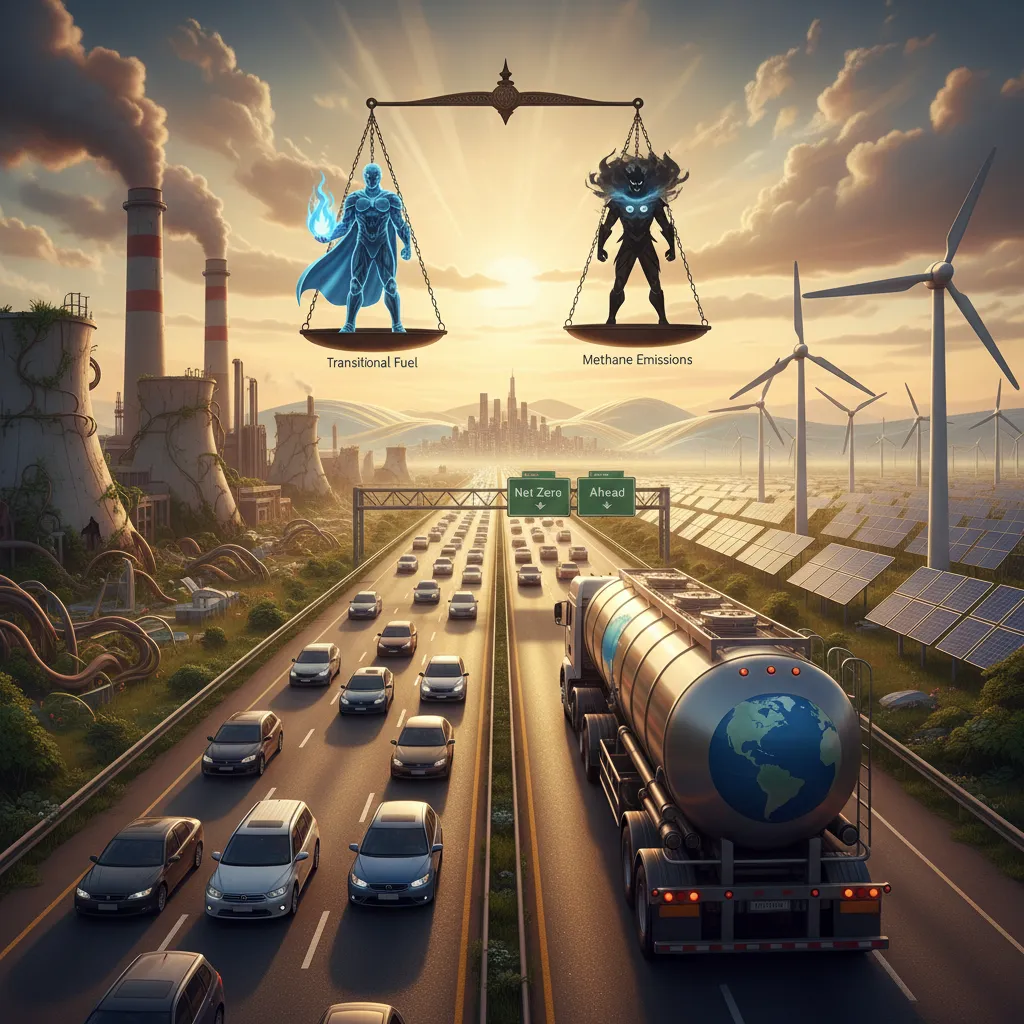
Sea Trials and Speed Bumps: The Messy Middle of Maritime Innovation
The journey toward maritime decarbonization is rarely smooth sailing, especially when integrating advanced systems like Dual Fuel Electric Plus (DFE+). While DFE+ offers a promising path to greener shipping, the challenges in DFE+ technology integration are significant and often underestimated. Operators must navigate a complex landscape of technical hurdles, evolving regulations, and infrastructure gaps—all while keeping vessels operational and crews safe.
Technical Complexity and Crew Training
DFE+ systems bring together dual-fuel engines, advanced electric propulsion, battery energy storage, and sophisticated energy management. This multifaceted architecture demands seamless power integration and standardized interfaces between components from different suppliers. For many shipowners, especially smaller operators, these requirements pose a steep learning curve. As one veteran chief engineer put it, the transition is like “switching from manual to fly-by-wire—exhilarating but sometimes nerve-wracking.”
Advanced crew training is now essential. Hybrid technology requires new skills in digital controls, battery management, and LNG safety. Crew must be adept at handling both routine operations and emergency protocols, such as battery fire suppression and LNG leak response. The need for ongoing education and certification represents a major maritime technology investment, particularly for fleets with limited resources.
Regulatory and Safety Hurdles
Regulatory frameworks are struggling to keep pace with rapid technology advances. Battery safety codes, fire suppression standards, and LNG handling regulations are evolving, but inconsistencies remain across regions and flag states. This regulatory lag can complicate vessel certification and insurance, adding uncertainty for operators investing in DFE+ systems. Maritime decarbonization challenges are compounded by the need for clear, harmonized rules that support innovation without compromising safety.
Infrastructure Lag: The Bottleneck to Scaling
Even the most advanced vessel cannot operate sustainably without the right infrastructure. Global LNG bunkering capacity and high-capacity charging supply chains for Battery Energy Storage Systems (BESS) are not yet uniformly available. This infrastructure lag can stall even the most ambitious rollout plans, particularly for operators serving remote or less-developed ports. As Chief Engineer Olaf Hansen wryly observed:
“Innovation’s fun… right up until you’re waiting for that new charger to arrive in port.”
Smaller Operators: Outsized Challenges
For smaller shipping companies, the challenges in DFE+ technology integration are magnified. Limited capital, fewer technical staff, and less bargaining power with suppliers mean less room for error. The risk of operational disruption or non-compliance is higher, making maritime technology investments a daunting prospect.
Industry Collaboration: A Brighter Horizon
Despite these hurdles, there are encouraging signs. Industry consortia and supply chain standardization efforts are accelerating, helping lines implement DFE+ faster—even if not painlessly. Collaborative initiatives are driving the development of common standards for interfaces, safety protocols, and crew training, reducing risk and cost for all stakeholders. These efforts are critical for overcoming the messy middle of maritime innovation and unlocking the full potential of DFE+ for decarbonization.
Charting the Uncharted: DFE+, Zero-Carbon Futures, and the Power of Modular Thinking
As the maritime sector navigates toward a net-zero future, the need for flexible, future-proof solutions has never been more urgent. The International Maritime Organization’s (IMO) net-zero framework, targeting full decarbonization by 2050, is propelling the industry to adopt technologies that can evolve alongside shifting regulations and emerging zero-carbon fuels. In this landscape, the Dual Fuel Electric Plus (DFE+) propulsion system stands out as a transformative enabler of maritime sustainable operations—particularly for the future of LNG carriers and container ships.
DFE+ is not just a technical upgrade; it represents a new philosophy in ship design. Its modular, fuel-agnostic architecture means that vessels equipped with DFE+ are ready to transition seamlessly to next-generation zero-carbon fuels such as green hydrogen and ammonia as soon as they become commercially viable. This adaptability is crucial, as the maritime sector cannot afford to retrofit or replace entire fleets with every regulatory or technological shift. As Dr. Renata Baumann, energy futurist, aptly puts it:
If we do this right, today’s DFE+ ships could outlast the fuels they start with.
The analogy of DFE+ as a ship’s version of LEGO is particularly fitting. Each component—dual-fuel engines, advanced batteries, permanent magnet motors, and intelligent energy management systems—functions as an interchangeable piece. As new zero-carbon fuels like green hydrogen and ammonia enter the market, DFE+ systems can be upgraded or reconfigured with minimal downtime, ensuring ships remain compliant and competitive. This modularity is not just about hardware; it extends to software as well. The integration of artificial intelligence for energy routing and predictive analytics is opening operational possibilities that were previously unimaginable, from dynamic load balancing to real-time emissions optimization.
Battery technology and hybrid storage solutions are also evolving rapidly, making DFE+ even more appealing for a broader range of vessel classes—including container ships, ferries, and offshore support vessels. Improved batteries mean longer zero-emission operation zones, greater peak shaving, and enhanced system redundancy. As these technologies mature, DFE+ will become essential for maritime sustainable operations, supporting both environmental goals and economic efficiency.
Importantly, DFE+’s modular approach enables vessel owners to adapt to new regulatory requirements and market conditions with agility. Whether it’s integrating new fuel types, complying with stricter emissions limits, or leveraging advances in battery and AI technology, DFE+ ensures that ships are not locked into yesterday’s solutions. Instead, they are equipped for whatever the future brings—be it green hydrogen, ammonia, or fuels yet to be invented.
In charting the uncharted waters of maritime decarbonization, DFE+ offers a blueprint for resilience, flexibility, and long-term sustainability. By embracing modular thinking and fuel-agnostic design, the maritime industry can confidently pursue zero-carbon futures, knowing that today’s investments will power tomorrow’s innovations.
TL;DR: DFE+ propulsion is more than a tech upgrade—it’s a vital piece in the maritime sector's journey to cleaner, smarter, and more flexible operations. By blending LNG, batteries, and electric drive, DFE+ ships deliver real progress in energy efficiency and regulatory compliance, paving the way for a sustainable shipping future.
Comments
Post a Comment