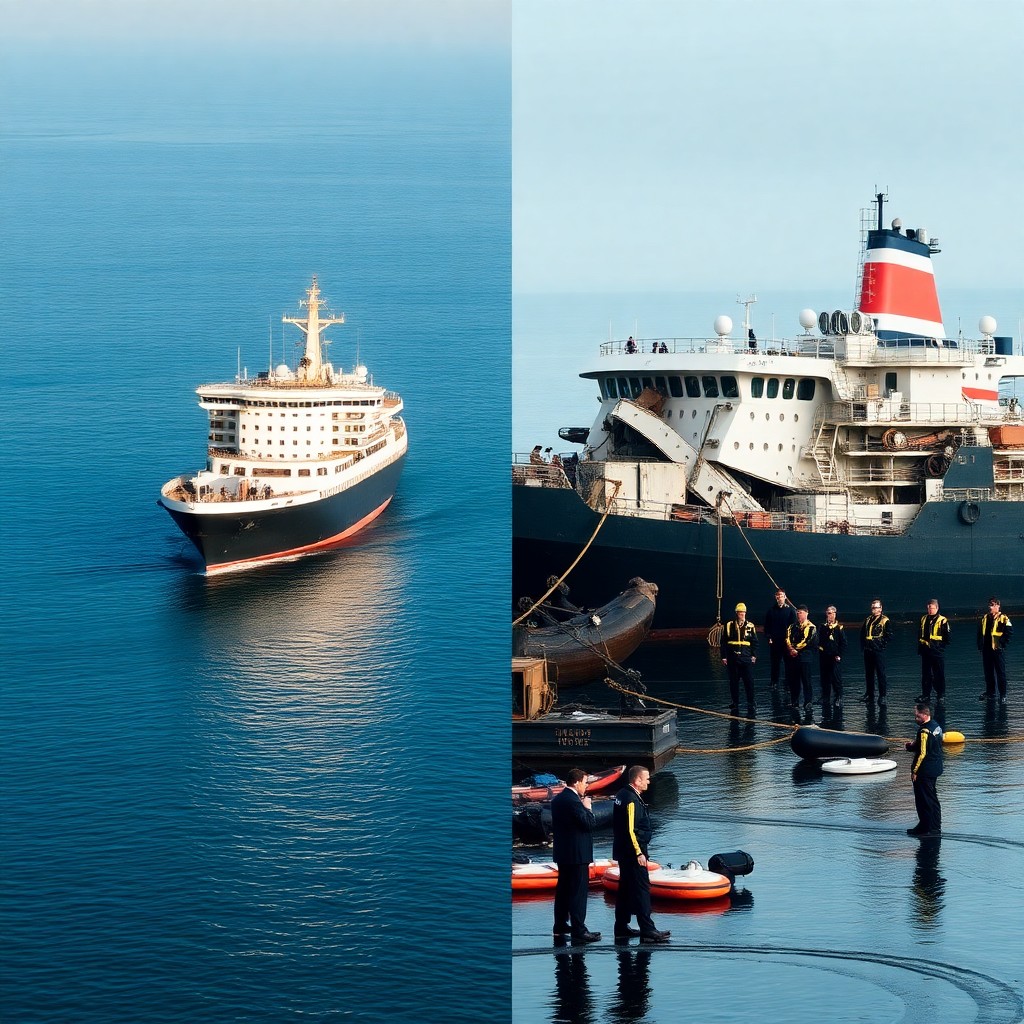
Imagine you're a seafarer, navigating the open seas, when suddenly, disaster strikes. A storm hits, an accident occurs, or pollution leaks. Instead of a mere rescue operation, you find yourself facing criminal charges. This alarming trend is affecting seafarers worldwide, transforming routine maritime incidents into legal battles that could alter lives forever.
The Rising Tide of Criminalization
Overview of Recent Trends in Criminal Charges Against Seafarers
In recent years, there has been a troubling increase in criminal charges against seafarers. This trend is alarming, especially considering the nature of their work. Seafarers often operate in high-pressure environments, where accidents can happen despite their best efforts. Over the last decade, there has been a 30% rise in criminal charges following maritime incidents. This statistic raises a critical question: why are seafarers increasingly facing legal consequences for accidents that may be beyond their control?
One significant factor contributing to this rise is the public's desire to assign blame after maritime accidents. When an incident occurs, there is often an instinct to find someone responsible. This blame culture creates serious challenges for seafarers, who may find themselves unjustly accused. As a maritime legal expert noted,
"The blame culture surrounding maritime incidents creates serious challenges for seafarers."
Why Accidents at Sea Are Increasingly Resulting in Legal Consequences
Accidents at sea can lead to devastating outcomes, including environmental disasters and loss of life. The legal ramifications of such incidents can be severe. For instance, the average duration of investigations into maritime accidents ranges from 6 to 12 months. During this time, seafarers may be subjected to intense scrutiny and legal pressure.
Many factors contribute to the legal consequences of maritime accidents. These include:
- Public Outcry: When accidents occur, there is often significant media coverage and public outrage, leading to calls for accountability.
- Regulatory Pressure: Governments and regulatory bodies may feel compelled to take action, resulting in investigations and potential charges against seafarers.
- Corporate Interests: Shipping companies may seek to protect their interests by shifting blame onto crew members, further complicating the situation for seafarers.
These factors create a perfect storm, where seafarers are left vulnerable to criminal charges, even when they are merely doing their jobs. The maritime environment is inherently risky, and accidents can occur due to unforeseen circumstances, such as extreme weather or equipment failure. However, the legal system often struggles to differentiate between genuine accidents and criminal negligence.
The Psychological Impact on Seafarers Facing Criminal Charges
The psychological toll on seafarers facing criminal charges can be profound. The stress of an investigation, coupled with the fear of legal repercussions, can lead to anxiety, depression, and a sense of isolation. Seafarers may feel abandoned by their employers and unsupported during these challenging times.
Many seafarers are unaware of their rights when facing legal challenges. This lack of knowledge can exacerbate their feelings of helplessness. It is crucial for seafarers to understand that they have rights, including the right to remain silent and the right to legal representation. Knowing these rights can empower them during investigations and help alleviate some of the psychological burdens they face.
In summary, the rising tide of criminalization against seafarers is a complex issue that requires careful consideration. The interplay of public perception, regulatory pressures, and corporate interests creates a challenging environment for those working at sea. As the maritime industry continues to evolve, it is essential to advocate for the rights and protections of seafarers, ensuring they are treated fairly and justly in the face of legal challenges.
Chart: Trends in Criminal Charges Against Seafarers
Below is a chart illustrating the increase in criminal charges post-maritime incidents over the last decade:
Decoding Maritime Legal Complexities
Maritime law is a complex field, often shrouded in legal jargon and intricate regulations. One of the most critical concepts within this realm is mens rea, a Latin term meaning "guilty mind." Understanding mens rea is essential for distinguishing between an accident and negligence in maritime incidents. It raises a fundamental question: when does a tragic event become a criminal act? This distinction is not just academic; it has real-world implications for seafarers facing legal scrutiny after accidents.
Understanding Mens Rea in Maritime Law
At its core, mens rea refers to the intent behind an action. In maritime law, it is crucial to determine whether a seafarer acted with intent to cause harm or was merely caught in unfortunate circumstances. For instance, consider the difference between a seafarer who accidentally spills oil due to unforeseen weather conditions and one who ignores safety protocols to save costs. The former may be seen as a victim of circumstance, while the latter could be deemed criminally negligent.
"Understanding the intent is crucial in distinguishing between negligence and accident in maritime law." - Legal Analyst
This distinction can significantly affect the outcome of legal proceedings. Seafarers often find themselves in precarious situations where their actions are scrutinized. A case study that highlights this issue is the infamous Erica oil spill in 1999. The ship sank due to extensive corrosion, which was linked to a lack of proper maintenance. The court ruled that the ship's owner was negligent, but the seafarers aboard faced intense scrutiny despite their limited control over the vessel's condition.
Case Studies: Genuine Accidents vs. Criminal Negligence
Several maritime disasters illustrate the complexities of distinguishing between genuine accidents and criminal negligence. Here are a few notable examples:
- MV Million Hope (1996) - A collision led to significant environmental damage, raising questions about navigational practices.
- MT Prestige (2002) - This incident resulted in a massive oil spill, leading to legal actions against the crew despite the ship's age and condition.
- Heibbe Spirit (2007) - Following a collision, two seafarers were detained for months, highlighting the potential for unfair criminalization.
These cases underscore the importance of understanding the legal framework surrounding maritime incidents. They also reveal how public perception can influence legal outcomes, often leading to a blame culture that unfairly targets seafarers.
The Role of Economic Pressures
Economic factors play a significant role in maritime accidents. A staggering 40% of shipping incidents are linked to cost-cutting measures. This statistic raises an important question: how do financial pressures impact safety protocols? When shipping companies prioritize profits over safety, the consequences can be dire.
For instance, the Erica incident was exacerbated by economic pressures that led to insufficient maintenance. The ship's owner faced legal repercussions, but the seafarers aboard were left to navigate the storm of legal scrutiny. This situation illustrates how economic incentives can compromise safety, leading to tragic outcomes.
Table of Major Maritime Disasters
| Maritime Disaster | Outcome |
|---|---|
| MV Million Hope (1996) | Significant environmental damage; legal scrutiny on navigational practices. |
| MT Prestige (2002) | Massive oil spill; crew faced legal action despite ship's condition. |
| Heibbe Spirit (2007) | Two seafarers detained; raised concerns about criminalization. |
| Erica (1999) | Ship sank due to corrosion; owner found negligent, crew scrutinized. |
Understanding these complexities is essential for seafarers and legal professionals alike. The maritime environment is inherently risky, and accidents can happen. However, the legal implications of these incidents can vary widely based on the circumstances surrounding them.
As the maritime industry continues to evolve, it is crucial to address these legal complexities. Seafarers must be aware of their rights and the potential consequences of their actions. The legal landscape is fraught with challenges, but knowledge and understanding can empower seafarers to navigate these turbulent waters.
Essential Rights for Seafarers Facing Legal Challenges
Seafarers often find themselves in challenging situations, especially when legal issues arise. The maritime world is fraught with risks, and accidents can lead to serious legal consequences. Understanding their rights during investigations is crucial for seafarers. This section will explore the essential rights seafarers possess, the importance of legal representation, and the implications of international laws on their treatment.
Understanding Seafarers' Rights
When a seafarer is involved in an incident, they must know their rights. Here are some key rights they should be aware of:
- The Right to Remain Silent: This is perhaps the most critical right. Seafarers have the right not to self-incriminate. In the heat of the moment, it’s easy to say something that could be misinterpreted. This right protects them from making statements that could later be used against them.
- Legal Representation: Seafarers have the right to seek legal advice. Having a lawyer can make a significant difference in navigating the complex legal landscape. A lawyer can ensure that their rights are protected throughout the investigation.
- Right to Privacy: Personal information, including legal documents and health records, should remain confidential. Seafarers have the right to keep this information private unless they give explicit consent for it to be shared.
- Humane Treatment: If arrested or detained, seafarers have the right to be treated fairly and humanely. International standards exist to prevent mistreatment during detention.
- Fair Trial: Seafarers are entitled to a fair trial. This means they should have the opportunity to present their side of the story and access all evidence against them.
The Importance of Legal Representation
Legal representation is vital for seafarers facing charges. Statistics show that 60% of seafarers who faced charges received legal representation during their trials. This support can significantly influence the outcome of their cases. Without a lawyer, seafarers may struggle to understand the legal processes and their rights.
As the ITF Representative stated,
"Knowledge is power, and seafarers must be fully aware of their rights to protect themselves."This emphasizes the need for seafarers to educate themselves about their rights before an incident occurs. They should proactively seek resources and information from organizations like the International Transport Workers Federation (ITF) and Seafarers Rights International.
Implications of International Laws
International laws play a crucial role in the treatment of seafarers. These laws are designed to protect their rights and ensure fair treatment during investigations. For instance, the International Maritime Organization (IMO) has developed guidelines for the fair treatment of seafarers facing criminal charges. These guidelines aim to provide a framework for countries to follow, ensuring that seafarers are treated justly.
However, there is often a gap between these international guidelines and their implementation at the national level. Many seafarers remain unaware of their rights, with a staggering 98% not knowing the legal protections available to them. This lack of awareness can lead to severe consequences, especially in high-stress situations following an incident.
Guidelines for Seafarers During Investigations
In the event of an investigation, seafarers should follow these guidelines:
- Be proactive: Educate yourself about your rights before an incident occurs.
- Request clarification: If under investigation, ask for the specific reasons behind it.
- Seek legal representation immediately: Don’t wait for your employer to provide it.
- Know your rights: Always assert your right to remain silent and to have a lawyer present.
- Document everything: Keep a record of all interactions with authorities.
By following these guidelines, seafarers can better protect themselves during investigations. The maritime environment is inherently risky, and accidents can happen. However, knowing their rights can empower seafarers to navigate these challenges more effectively.
In conclusion, understanding the essential rights for seafarers facing legal challenges is crucial. The right to remain silent, the importance of legal representation, and the implications of international laws are all vital components of ensuring fair treatment. Seafarers must educate themselves and advocate for their rights to protect themselves in the face of legal challenges.
Case Studies: The Erica Oil Spill and Beyond
An In-Depth Case Study of the Erica Oil Spill
The Erica oil spill is a significant event in maritime history, occurring in December 1999. This incident involved an aging oil tanker, the Erica, which was transporting heavy fuel oil. The ship encountered severe weather conditions in the Bay of Biscay, leading to its tragic sinking. The aftermath was catastrophic: approximately 42,000 seabirds perished, and around 400 kilometers of the French coastline were polluted. The total damages were assessed at a staggering €193 million.
What does this tell us? The Erica spill serves as a stark reminder of the potential consequences of neglect in maritime safety. As an environmental advocate once stated,
“The aftermath of the Erica oil spill is a poignant reminder of the consequences of neglect in maritime safety.”The incident highlighted the dire need for stringent safety regulations and maintenance protocols in the shipping industry.
Lessons Learned from the Erica Case
The Erica case offers crucial lessons regarding negligence and legal responsibilities. Investigations revealed that extensive corrosion of the ship's hull was a primary cause of the sinking. This corrosion was directly linked to a lack of proper maintenance. The French appeals court ruled in 2010 that the ship's owner was guilty of negligence, emphasizing that financial pressures often lead to cost-cutting measures that compromise safety.
- Negligence: The investigation pointed to a history of corrosion and inadequate maintenance.
- Legal Responsibilities: Ship owners must ensure their vessels are seaworthy and maintained to avoid legal repercussions.
- Environmental Impact: The spill's ecological damage underscored the need for stricter environmental regulations.
These lessons are not just applicable to the Erica case. They resonate throughout the maritime industry, reminding stakeholders of their responsibilities. The consequences of neglect can be devastating, not just for the environment but also for the individuals involved.
Impact on Global Shipping Regulations
Individual cases like the Erica oil spill have far-reaching implications for global shipping regulations. Following the incident, there was a push for stricter safety measures and regulations to prevent similar disasters. The maritime community recognized that the legal landscape surrounding maritime law needed to evolve to protect both the environment and the rights of seafarers.
For instance, the introduction of double-hulled tankers was one response to the Erica spill. However, as seen in subsequent incidents, merely having advanced technology is not enough. The fundamental issue of consistent and thorough maintenance remains paramount. The Erica case serves as a reminder that even the best designs can fail if not properly maintained.
Moreover, the criminalization of seafarers after accidents has become a growing concern. Seafarers often find themselves facing legal battles, even when they are merely doing their jobs. This trend raises questions about fairness and accountability in the maritime industry. It is essential to differentiate between genuine accidents and criminal negligence. The Erica case exemplifies this complexity, as the crew faced scrutiny despite the external factors contributing to the disaster.
Conclusion
In summary, the Erica oil spill is more than just a historical event; it is a critical case study that highlights the importance of maritime safety, legal responsibilities, and the need for robust regulations. The lessons learned from this incident continue to shape the maritime industry today, emphasizing the need for vigilance and accountability.
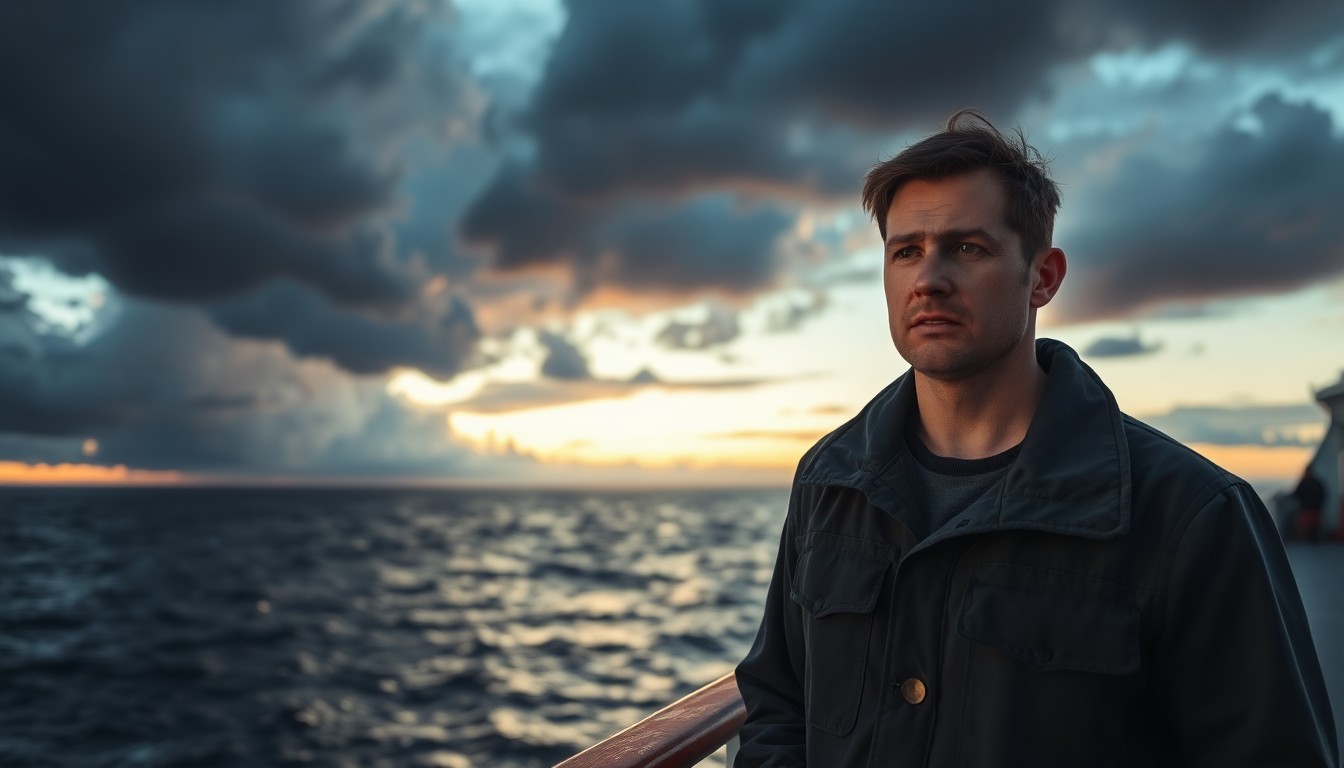
Empowering Seafarers: Navigating Their Rights and Resources
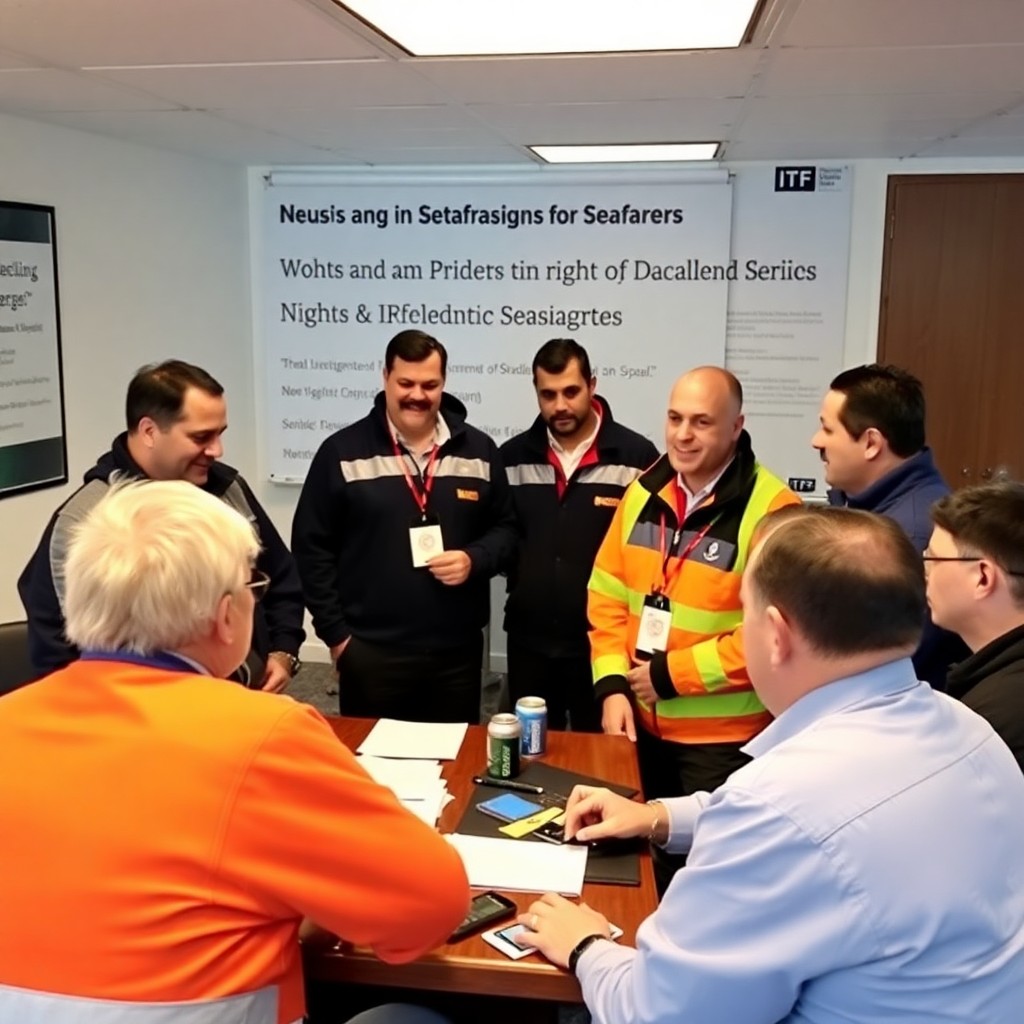
Seafarers play a vital role in global trade, yet they often face significant challenges, especially when it comes to legal issues. The maritime industry is fraught with risks, and accidents can lead to severe consequences, including criminal charges. This is where organizations like the International Transport Workers Federation (ITF) come into play, advocating for the rights of seafarers and providing essential resources. Understanding these rights is crucial for seafarers to navigate the often treacherous waters of legal challenges.
The Role of Organizations in Supporting Seafarers
The ITF is a key player in the maritime world, tirelessly working to protect seafarers. They advocate for fair treatment and have made significant strides in raising awareness about the criminalization of seafarers. This issue has gained international attention, and the ITF has successfully pushed for the inclusion of seafarers' rights on the agenda of the International Maritime Organization (IMO).
But what does this mean for seafarers? It means they have allies. Organizations like the ITF provide a wealth of resources to help seafarers understand their legal rights. This includes:
- Access to legal advice and representation.
- Information on rights during investigations.
- Support in navigating complex legal processes.
As the Maritime Advocate aptly puts it,
“With knowledge and resources, seafarers can better navigate the often treacherous waters of legal challenges.”
Resources Available for Seafarers
Seafarers must educate themselves about their rights before they find themselves in a challenging situation. The ITF and other organizations offer various resources, including:
- Webinars and Workshops: These sessions provide valuable insights into legal rights and responsibilities.
- Online Toolkits: The ITF has developed a criminalization toolkit that outlines rights and procedures for seafarers facing investigations.
- Legal Aid Organizations: These organizations can assist seafarers in finding legal representation when needed.
Moreover, seafarers should familiarize themselves with the specific laws of the countries they operate in. This knowledge can be crucial during investigations or legal proceedings.
Practical Advice for Preparing for Investigations
Preparation is key. Seafarers should take proactive steps to ensure they are ready for any potential investigations. Here are some practical tips:
- Know Your Rights: Familiarize yourself with your rights under international and local laws.
- Document Everything: Keep detailed records of incidents, communications, and any relevant documents.
- Request Legal Representation: If an investigation occurs, seek legal advice immediately. Do not wait.
- Stay Calm and Cooperative: While it’s important to cooperate with authorities, remember your right to remain silent until you have legal counsel.
- Ask for Clarification: If you don’t understand something, request an interpreter or clarification on your rights.
By following these steps, seafarers can better protect themselves during investigations. They should remember that they are not alone; organizations like the ITF are there to support them.
Conclusion
The maritime industry is complex, and the legal challenges seafarers face can be daunting. However, with the right knowledge and resources, seafarers can navigate these challenges more effectively. Organizations like the ITF play a crucial role in advocating for their rights and providing essential support. It is vital for seafarers to educate themselves about their rights and prepare for potential investigations. By doing so, they can ensure they are not unfairly criminalized for accidents that may occur while performing their demanding jobs. The journey may be fraught with challenges, but with the right tools and support, seafarers can find their way through the storm.
TL;DR: Understanding the criminalization of seafarers is crucial as it emphasizes the need for stronger protections, awareness of rights, and legal representation in the maritime industry.
Comments
Post a Comment