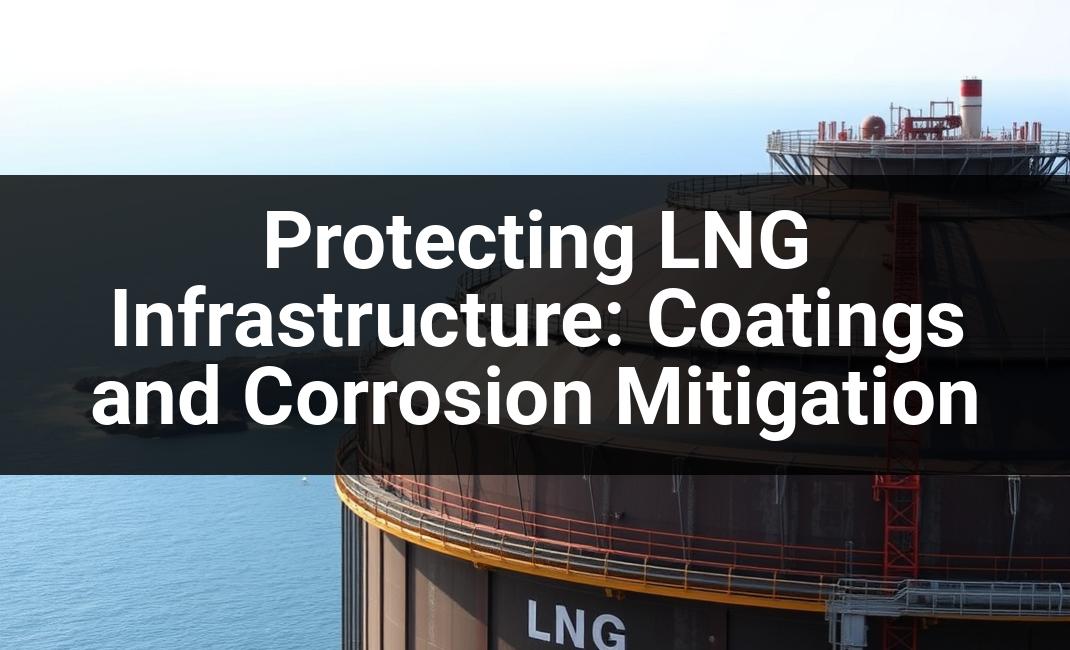
Imagine standing in front of a towering LNG storage tank, its sheen reflecting the sun, yet beneath the surface, a silent battle against corrosion rages on. This tank, capable of holding millions of gallons of Liquefied Natural Gas, is not just a marvel of engineering; it represents one of the many infrastructures that are essential in our energy-driven world. In this blog, we peel back the layers to reveal how specialized coatings can safeguard these colossal structures from environmental threats and internal wear and tear.
Understanding the Threats: Corrosion and Environmental Challenges
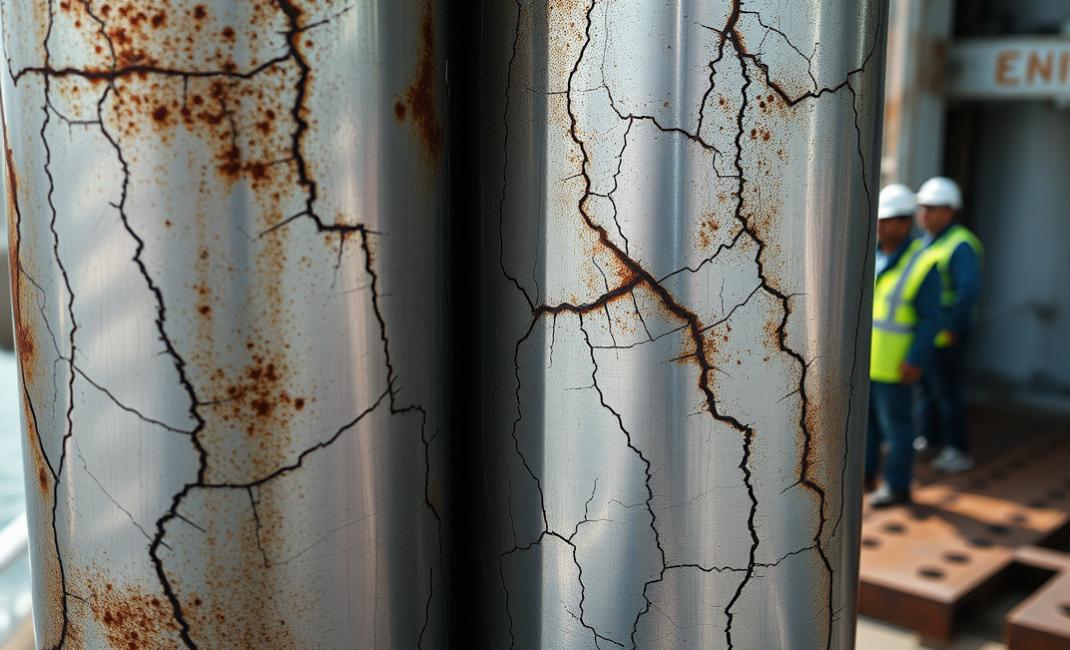
Corrosion is a significant concern in the world of Liquefied Natural Gas (LNG). It poses threats to infrastructure and can lead to severe economic losses. Understanding the factors that contribute to corrosion is essential for effective prevention strategies.
The Role of Moisture in Corrosion Under Insulation (CUI)
One of the most insidious forms of corrosion is known as corrosion under insulation (CUI). This type of corrosion occurs when moisture becomes trapped beneath insulation materials. The moisture can lead to the deterioration of metal structures without any visible signs. Imagine a slow leak in a pipe: it might take time before you notice the damage, but by then, it could be too late.
Statistics reveal that CUI is responsible for up to 90% of corrosion related to insulated pipes. This alarming figure highlights the need for regular inspections and maintenance. Without proper monitoring, facilities may face catastrophic failures.
Chloride Stress Corrosion in Stainless Steel Materials
Stainless steel is often the material of choice for LNG piping due to its resistance to corrosion. However, it is not entirely immune to challenges. Chloride stress corrosion cracking can occur, particularly in coastal environments where chlorides are prevalent.
Chlorides, found in salty air or water, can accelerate corrosion rates significantly. This is a critical issue for LNG infrastructure located near coastlines. The presence of chlorides creates a hostile environment, leading to the deterioration of even the most robust materials.
Impact of Coastal Environments on LNG Infrastructure
Coastal environments present unique challenges for LNG facilities. The constant exposure to salt and moisture requires coatings that meet stringent international standards. These coatings must be durable enough to withstand harsh conditions.
In this context, standards such as ISO 12944 and Norsok become vital. They dictate the performance criteria for coatings used in LNG environments, ensuring they can last for at least 15 years under strict conditions. Without adherence to these standards, facilities risk facing severe corrosion issues.
International Standards for Corrosion Resistance
International standards play a crucial role in the fight against corrosion. They guide the selection and application of protective coatings. For instance, the ISO 12944 standard focuses on the durability of coatings in various environments.
According to David Jones, a coating specialist,
“Protecting LNG infrastructure from corrosion is a battle we cannot afford to lose.”This statement underscores the importance of using the right materials and techniques to safeguard against corrosion.
Conclusion
Corrosion is a primary concern in LNG facilities, significantly affected by moisture and environmental factors. The combination of CUI, chloride stress corrosion, and coastal challenges creates a complex landscape for corrosion management. By adhering to international standards and utilizing specialized coatings, LNG infrastructure can better withstand these threats.
Understanding these elements is crucial for maintaining the integrity of LNG facilities. Regular inspections, adherence to standards, and the use of advanced coatings can help mitigate the risks associated with corrosion. As the demand for LNG continues to grow, so does the need for effective corrosion management strategies.
Specialized Coatings: The First Line of Defense
Overview of Multi-Layer Coating Systems
In the world of Liquefied Natural Gas (LNG), specialized coatings serve as crucial barriers against environmental threats. These coatings are not just a single layer; they are often multi-layer systems designed to provide comprehensive protection. But why is this layering so important? Each layer serves a distinct purpose, enhancing overall durability and resistance.
- Durable Primers: The foundation of any good coating system starts with a strong primer. Durable primers, like Zinc Clad 2, are used to prevent corrosion on steel surfaces.
- Intermediate Coats: Following the primer, epoxy intermediate coats add another layer of defense, ensuring that the surface can withstand various environmental challenges.
- Topcoats: Finally, a polyurethane or polyoxane topcoat protects against UV rays, weathering, and abrasion.
This multi-layer approach is essential for ensuring long-term safety in LNG facilities. As Sarah Liu, a Coating Engineer, aptly puts it,
“Multi-layer coatings are essential for ensuring long-term safety in LNG facilities.”
Benefits of Heat Flex and Zinc Clad 2 Coatings
Among the specialized coatings available, Heat Flex and Zinc Clad 2 stand out for their unique benefits. Heat Flex coatings are designed to withstand extreme temperatures, making them ideal for LNG applications where heat resistance is critical. They create a barrier against moisture and chlorides, which can lead to corrosion.
Zinc Clad 2 is particularly noteworthy. This coating has proven to provide long-lasting corrosion protection for steel surfaces. It effectively combats the hidden threat of corrosion under insulation (CUI), a significant risk in LNG infrastructure. Imagine a protective shield that not only defends against visible damage but also against the slow, insidious deterioration that often goes unnoticed.
Role of Fireproof Coatings in LNG Risk Management
Fire risks are another critical concern in LNG facilities. Fireproof coatings play a vital role in risk management. These coatings must endure extreme heat, often exceeding 1,000°F. They act as a first line of defense, protecting the infrastructure from potential fire hazards.
Without these specialized coatings, the risks associated with LNG operations could escalate dramatically. They are designed to withstand not just heat but also impacts, ensuring that the facilities remain operational and safe.
Innovations in Membrane Technologies for LNG Applications
As the LNG industry evolves, so do the technologies that protect it. Innovations in membrane technologies are being explored to further enhance safety and efficiency. These advanced coatings are designed to address specific challenges posed by LNG, such as rapid cooling and thermal shock associated with spills.
For instance, pipelines transporting LNG face various underground challenges. They are often exposed to moisture and aggressive environments. Here, fusion bonded epoxy (FBE) emerges as a favored choice. It offers a strong bond and resists damage caused by cathodic disbondment, a common issue with incompatible coatings.
Moreover, the coatings industry is progressing toward sustainable solutions. Water-based, high solids, and powder coatings are gaining traction as environmentally friendly alternatives. The future of LNG coatings looks bright, with advancements in material science pushing the boundaries of what’s possible.
In conclusion, specialized coatings are not just an afterthought; they are essential components of LNG infrastructure. They act as barriers against environmental attacks, ensuring safety and longevity. With the continuous evolution of technology, these coatings will only become more effective, enhancing the resilience of LNG facilities against the multifaceted challenges they face.
The Innovations Driving Future Coating Solutions
The coatings industry is undergoing a transformation. Innovations are emerging that promise to change the way we think about protective materials. This is particularly true in sectors like Liquefied Natural Gas (LNG), where the need for effective coatings is critical. Let's explore some of the most exciting advancements in this field.
Sustainable Coating Materials: A Closer Look
As environmental concerns rise, the demand for sustainable coating materials is increasing. Coatings that are less toxic and more durable are becoming essential. These materials not only protect infrastructure but also minimize environmental impact. For example, water-based coatings are gaining traction. They offer a safer alternative to traditional solvent-based options. This shift is not just a trend; it's a necessity.
- Water-based coatings: These are less harmful to the environment and provide excellent performance.
- High solids coatings: These contain fewer solvents, making them more eco-friendly.
- Powder coatings: These are applied as a dry powder and are free from solvents, reducing volatile organic compounds (VOCs).
Dr. Emma Stanford, a materials scientist, emphasizes this point, stating,
“Sustainability in coatings is not just a trend; it's a necessity for our future.”
Self-Healing Coatings and Their Potential
Imagine a coating that can repair itself after damage. This is the promise of self-healing coatings. These innovative materials can significantly extend the lifespan of protective coatings. Research indicates that self-healing technologies can double the lifespan of traditional coatings. This is a game changer for industries that rely on durable infrastructure.
How do they work? Self-healing coatings contain microcapsules filled with healing agents. When the coating is scratched or damaged, these microcapsules break open, releasing the healing agents. This process fills in the gaps and repairs the damage. It’s like having a band-aid for your coating!
Emergence of Water-Based and Powder Coatings
The move towards water-based and powder coatings is a significant trend. These coatings are not only environmentally friendly but also offer excellent performance. They are ideal for various applications, including LNG infrastructure. The coatings industry is responding to the need for safer, more sustainable solutions.
- Water-based coatings: These provide good adhesion and durability without the harmful effects of solvents.
- Powder coatings: These are efficient and can be applied in a variety of environments, making them versatile.
With the rise of these coatings, industries are finding ways to reduce their carbon footprint while maintaining high standards of protection.
Adaptation to Low Temperatures in Cryogenic Applications
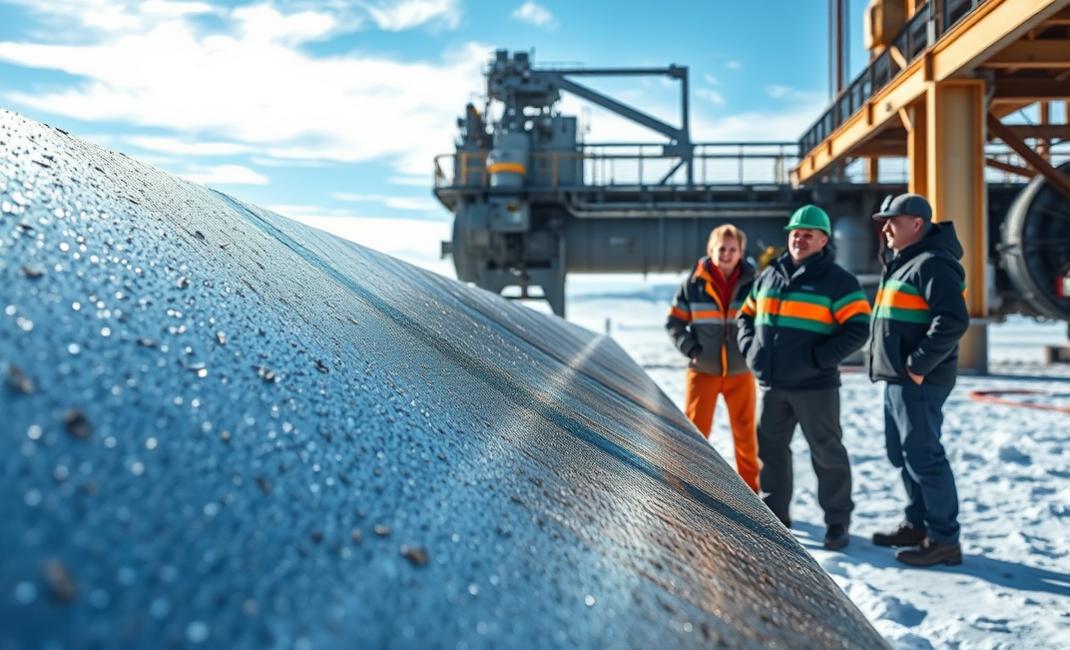
In cryogenic environments, the challenges for coatings are unique. Materials must remain flexible and tough, even at extremely low temperatures. This is crucial for LNG applications, where temperatures can drop significantly.
Polyurethane and modified epoxy coatings are emerging as prime options. They are designed to withstand thermal cycling without cracking. This is vital for maintaining the integrity of LNG infrastructure.
Moreover, the application process is just as important as the materials themselves. Skilled workers must ensure that coatings are applied correctly to achieve optimal results. Surface preparation techniques, such as grinding or power washing, are essential to ensure proper adhesion.
In conclusion, the innovations in coating solutions are reshaping the industry. From sustainable materials to self-healing technologies, these advancements are paving the way for a more resilient future. The focus on eco-friendly options and adaptability to extreme conditions is crucial in today’s world. As the industry evolves, the importance of these innovations cannot be overstated.

The Application Process: Ensuring Longevity
In the world of Liquefied Natural Gas (LNG), the application process for coatings is crucial. It’s not just about applying a layer of paint; it’s about ensuring that the infrastructure can withstand environmental challenges. The application process can make or break the longevity of coatings. So, what does it take to get it right?
1. Importance of Proper Surface Preparation Techniques
Surface preparation is the foundation of a successful coating application. Without it, even the best coatings can fail. Techniques such as grinding, shot-blasting, or chemical cleaning are essential. They help remove contaminants and create a surface profile that promotes adhesion.
- Grinding: This method smooths out the surface and removes any old coatings.
- Shot-blasting: This technique cleans and roughens the surface, making it ideal for coatings.
- Chemical cleaning: Using solvents can effectively remove oils and other residues.
According to industry experts, surface preparation accounts for 60% of coating performance success. That’s a significant number! It begs the question: why would anyone skip this step?
2. Adherence to Temperature and Humidity During Application
Temperature and humidity play a vital role in the application process. Coatings require specific conditions to cure properly. Too much humidity can lead to moisture being trapped under the coating, causing blistering. On the other hand, if it’s too cold, the coating may not adhere well.
For optimal results, it’s essential to monitor these environmental factors closely. This means checking the weather forecast before starting a project. It might seem tedious, but it can save a lot of headaches down the line.
3. Training the Workforce in Specialized Coating Methods
Even the best materials won't perform well without skilled application. Training the workforce in specialized coating methods is essential. Workers need to understand the nuances of different coatings and the specific techniques required for each.
For instance, applying a polyurethane coating is different from an epoxy one. Each has its own set of requirements. Investing in training can lead to fewer mistakes and a more efficient application process.
"The best coating is only as good as the application process behind it.” – Mark Taylor, Application Expert
4. Monitoring and Maintenance Protocols for Integrity
Once the coating is applied, the work isn’t over. Monitoring and maintenance protocols are crucial for ensuring the integrity of the coating over time. Regular inspections can identify issues before they become significant problems.
Maintenance might include:
- Visual inspections to check for signs of wear or damage.
- Testing for adhesion to ensure the coating is still bonded to the surface.
- Addressing any environmental factors that could compromise the coating.
Proper monitoring can extend the life of the coating and, by extension, the infrastructure it protects. After all, it’s not just about applying the coating; it’s about maintaining it for the long haul.
In conclusion, the application process for coatings in LNG is a multifaceted endeavor. It requires attention to detail, skilled labor, and ongoing maintenance. Each step is interconnected, and neglecting one can lead to significant failures. By focusing on proper surface preparation, adhering to environmental conditions, training the workforce, and implementing monitoring protocols, companies can ensure the longevity and effectiveness of their coatings.
Looking Ahead: The Future of LNG Coatings
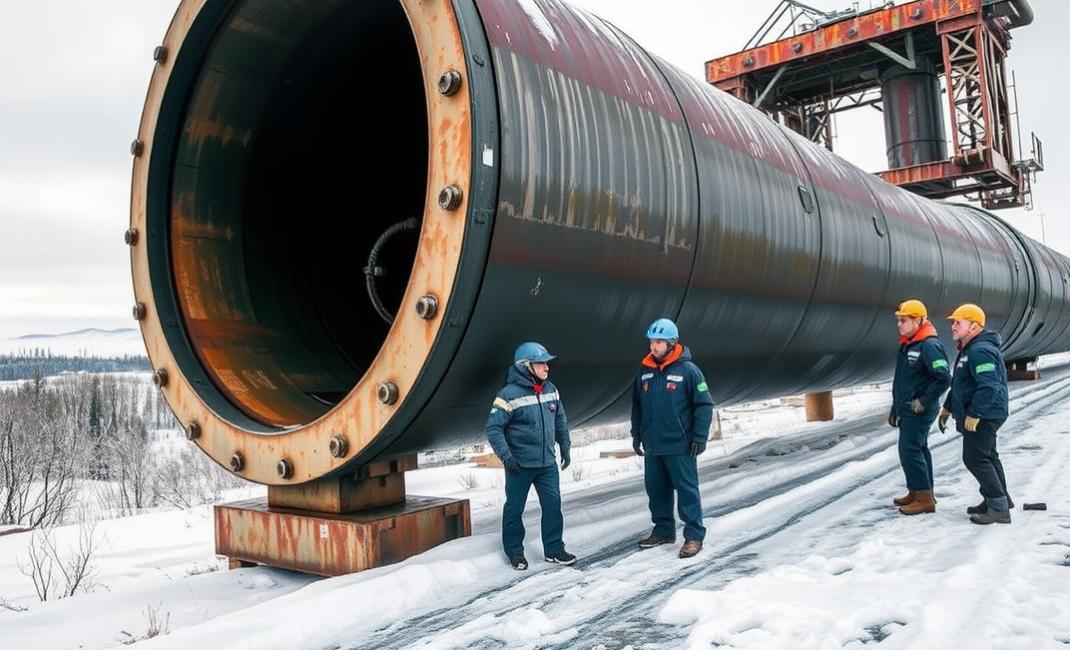
The world of Liquefied Natural Gas (LNG) is expanding rapidly. With this growth comes a pressing need for effective protection against environmental challenges. As new facilities emerge, the importance of specialized coatings becomes increasingly evident. These coatings are essential for safeguarding LNG infrastructure from threats like corrosion, particularly the often-overlooked issue of corrosion under insulation (CUI).
Market Trends in LNG and Coating Solutions
Worldwide LNG markets are expected to grow by 6% annually over the next decade. This growth trend is driven by rising energy demands and the shift towards cleaner fuels. As LNG becomes more prominent, the need for advanced coating solutions will also rise. Facilities must adapt to meet these demands, ensuring that their infrastructure can withstand various environmental conditions.
- Investment in innovative coating research is vital.
- Environmental regulations are shaping coating selection globally.
But what does this mean for the future? It means that companies must prioritize research and development. They need to innovate responsibly to keep up with market demands while ensuring environmental compliance.
Predicted Advancements in Coating Resilience
As the LNG industry evolves, so too will the coatings used to protect its infrastructure. Future advancements may focus on enhancing the resilience of these coatings. For instance, coatings that can withstand extreme temperatures and resist moisture will be paramount.
Specialized coatings, such as the Heat Flex line, are already making strides in this area. They create barriers against moisture and chlorides, protecting critical infrastructure like massive storage tanks. These tanks can exceed 150 feet in height and hold millions of gallons of LNG. A robust multi-layer approach, including durable primers and topcoats, is essential for ensuring longevity.
Moreover, innovations in membrane technologies are being explored. These technologies aim to address the challenges posed by cryogenic environments, where materials must remain flexible and tough. Polyurethane and modified epoxy coatings are emerging as prime options, given their unique properties that allow them to withstand thermal cycling without cracking.
Strategic Importance of Environmental Compliance
Environmental compliance is not just a regulatory requirement; it’s a strategic necessity. Companies must navigate stringent international standards, such as ISO 12944 and Norsok. These standards are derived from rigorous requirements, ensuring that coatings can withstand the harsh conditions present in coastal environments.
Furthermore, the coatings industry is under pressure to develop sustainable solutions. There is a growing demand for less toxic and more durable materials. Water-based, high solids, and powder coatings are gaining traction as environmentally friendly alternatives. This shift towards sustainability is not merely a trend; it reflects a broader commitment to responsible innovation.
Global Initiatives Affecting LNG Infrastructure
Global initiatives are shaping the future of LNG infrastructure. As countries commit to reducing carbon emissions, LNG is often seen as a bridge fuel. This places additional emphasis on the need for reliable coatings that can withstand the rigors of LNG operations.
Moreover, fireproof coatings capable of withstanding extreme heat are essential. LNG facilities must also manage fire risks, leading to the necessity of specialized coatings designed for cryogenic spill protection. These coatings help manage rapid cooling and thermal shock associated with spills in LNG operations.
"The future of LNG coatings hinges on our ability to innovate responsibly.” – Jennifer Green, LNG Market Analyst
In conclusion, the future of LNG coatings is bright yet challenging. The industry must balance innovation with environmental responsibility. As LNG markets continue to grow, the demand for advanced, resilient coatings will only increase. Companies must invest in research and development to meet these demands while adhering to stringent environmental regulations. The road ahead is filled with opportunities for those willing to embrace change and prioritize sustainability in their coating solutions. The future is not just about protecting infrastructure; it's about ensuring that this critical energy source can be harnessed responsibly for generations to come.
TL;DR: The importance of specialized coatings in protecting LNG infrastructure against corrosion, fire risks, and environmental challenges is paramount as the industry grows. Innovations in coating technologies show promise in enhancing sustainability and durability for future LNG operations.
Comments
Post a Comment